Barbuda Travel Guide: Antigua's Sister Island
Barbuda travel from Antigua takes a 90-minute ferry or short flight to reach Pink Sand Beach, the Frigate Bird Sanctuary, and Codrington's post-Irma recovery.
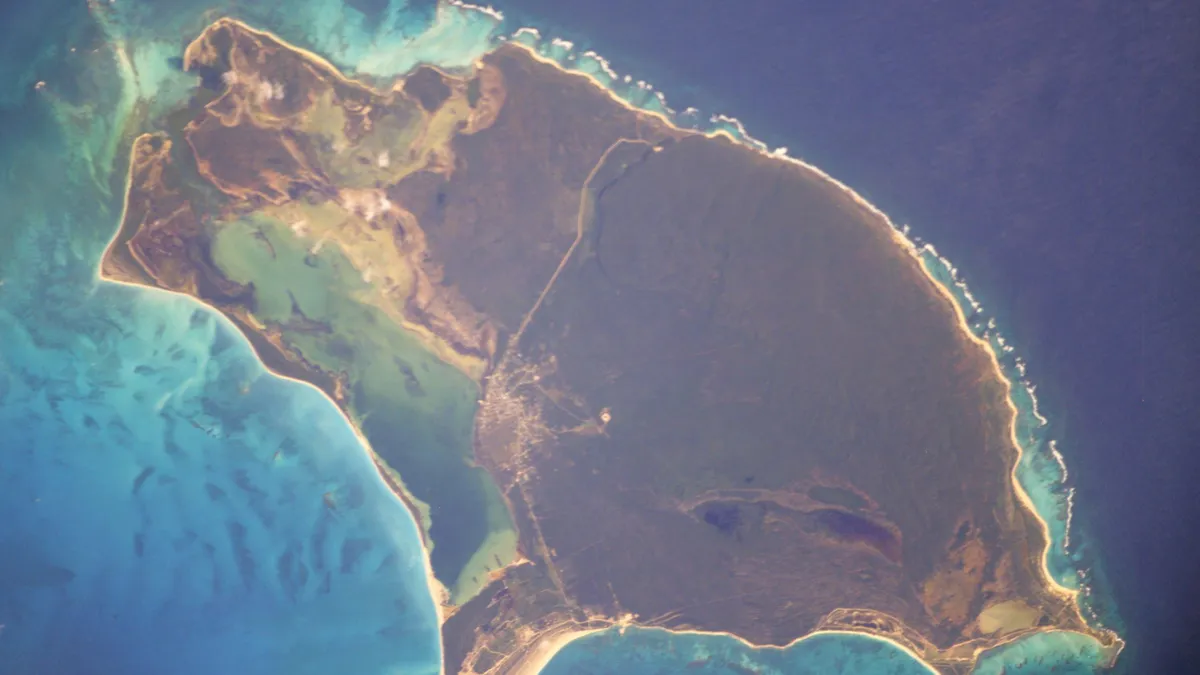
Barbuda is the quieter half of the nation of Antigua and Barbuda, a flat coral island about 30 miles north of its busier sister. Where Antigua has resorts, marinas, and 365 beaches, Barbuda has roughly 1,600 people, one town, wild donkeys, and a continuous ribbon of pink sand that runs for miles with almost nothing built on it. Most visitors come for a single, unforgettable day. A few stay longer and never quite want to leave.
This guide covers exactly how to get there, what to see, whether to make it a day trip or an overnight, and how the island has changed since Hurricane Irma in 2017. If you are still planning the Antigua side of your trip, start with our overview of Barbuda as a destination and the headline Pink Sand Beach.
How to get to Barbuda
Barbuda sits far enough offshore that you cannot just drive or hop a water taxi over. You have two realistic options: the ferry or a short flight. Each has trade-offs.
By ferry (the Barbuda Express)
The Barbuda Express is the main passenger ferry between the two islands. The crossing takes roughly 90 minutes each way on a wave-piercing catamaran, and the company runs several days a week rather than daily, so check the current timetable before you commit. As of late 2023 the service shifted its Antigua departure point to Jolly Harbour on the west coast, which is worth confirming when you book since older guides still list St. John's.
- Best for: travelers on a budget, and anyone who would rather be on the water than in a small plane.
- Watch out for: the channel can get choppy, especially in the windier winter months. If you are prone to seasickness, take something before boarding.
- Booking tip: most operators sell the ferry as part of a packaged Barbuda day trip that bundles the crossing with a frigate bird tour and beach time, which is the simplest way to see the highlights in one go.
By small plane
A handful of local charter operators fly the short hop from V.C. Bird International Airport to Barbuda's airstrip in well under half an hour. Flights carry only a few passengers, so they book up and cost considerably more than the ferry, but the aerial view of the reefs and the pink shoreline is something the boat cannot match. This is the choice for travelers short on time or arriving on a tight cruise schedule.
The Pink Sand Beach
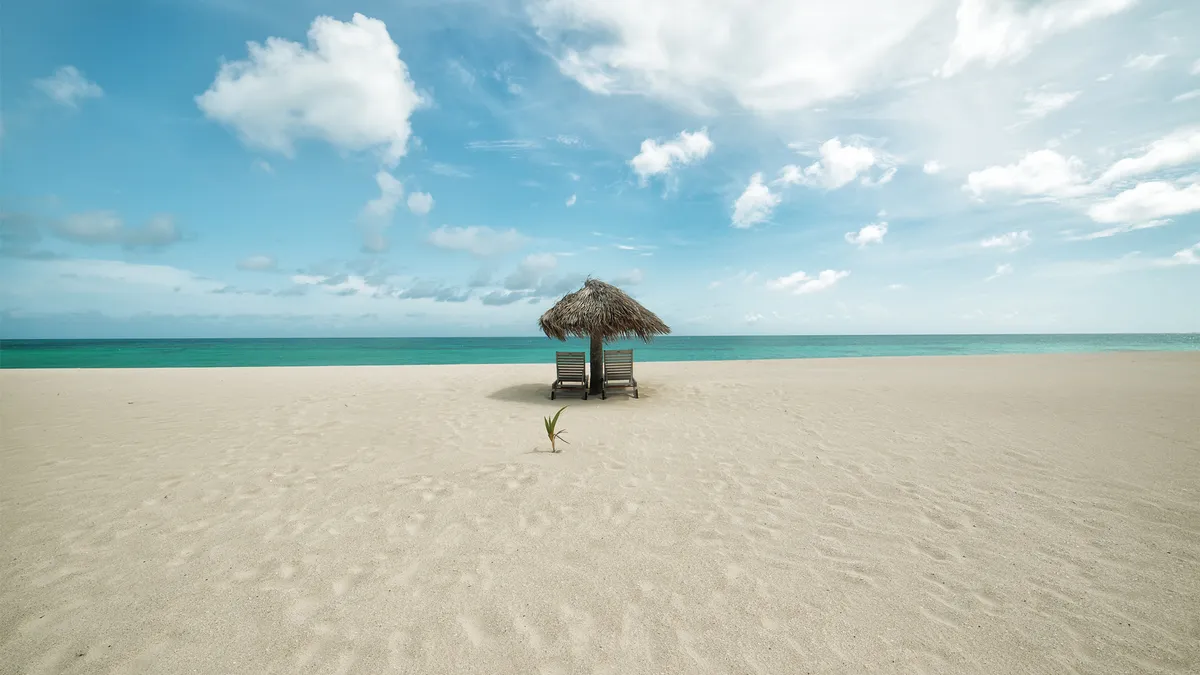
The reason most people come. Barbuda's western shore is one long barrier beach of pale pink sand, backed by the calm waters of Codrington Lagoon and fronted by the open Caribbean. Depending on how you measure it, the stretch runs somewhere between 11 and 17 miles, much of it with no buildings, no vendors, and often no other footprints.
The blush color is real, not a filter. It comes from countless crushed shells and fragments of red foraminifera mixed into the white coral sand, and Barbuda's beach is widely considered the pinkest in the Caribbean thanks to the reefs just offshore. The pink tone shows up most clearly at the waterline and glows in soft morning or late-afternoon light.
- What to bring: there is little to no shade and few facilities on most of the beach, so pack water, sunscreen, and a hat. Treat it as a wilderness beach, not a resort one.
- Swimming: the lagoon side is glassy and calm; the ocean side has more surf and the occasional current. Both are spectacular for a long, quiet walk.
- Comparisons on Antigua: if you cannot fit Barbuda in, the closest mainland feel comes from broad, low-key strands like Ffryes Beach and Half Moon Bay, though neither is pink.
The Frigate Bird Sanctuary
Inside Codrington Lagoon National Park lies one of the great wildlife spectacles of the Caribbean: the Frigate Bird Sanctuary. This is one of the largest breeding colonies of magnificent frigate birds in the world, and the second largest in the Western Hemisphere after the Galapagos, with several thousand birds packed into the mangroves.
You reach the colony only by boat. A local guide poles or motors a small skiff through the lagoon to within a few yards of the nesting mangroves, close enough to watch the males inflate their brilliant scarlet throat pouches to court the females. Nesting season runs roughly from September through April, when the courtship displays and chick-rearing are at their peak, though birds are present year-round.
- How to book: tours leave from the Codrington side of the lagoon and are usually arranged through the same operators who run the day trip, or directly with local boatmen on arrival.
- Photography: bring a zoom if you have one, but the birds come close enough that a phone gets striking shots. Early morning light is kindest.
- Why it matters: frigate birds cannot land on water because their feathers are not waterproof, so they spend most of their lives airborne. Seeing thousands roosting together is genuinely rare.
Codrington, caves, and the rest of the island
Barbuda has exactly one settlement, Codrington, where nearly all of the island's residents live. It is small, friendly, and unhurried, with a few shops, guesthouses, and local eateries. This is the place to slow down, eat fresh seafood, and talk to people who know every reef and trail on the island.
The caves and Highlands
The northeastern corner of Barbuda rises into a low limestone plateau known as the Highlands, riddled with caves. Two are popular with visitors:
- Two Foot Bay caves: sea caves on the wild Atlantic coast with openings you can climb through to ocean views, plus faint Amerindian petroglyphs that hint at the island's pre-colonial past.
- Darby Cave (Darby Sink Hole): a collapsed sinkhole reached by a walk through dry forest, where the microclimate at the bottom supports ferns and palms. A guide is strongly recommended, as trails are unmarked.
Food and local flavor
Barbuda is famous for its lobster and conch, pulled fresh from the surrounding reefs. A plate of grilled spiny lobster at a Codrington beach bar is a highlight in its own right. To understand the wider food culture before you go, browse our guides to conch and the national plate of fungie and pepperpot, and the broader Antiguan and Barbudan cuisine overview.
Day trip or overnight?
Most visitors do Barbuda as a long day trip from Antigua, and for good reason. A typical organized day covers the ferry, the frigate bird tour, and several hours on the Pink Sand Beach, getting you back to Antigua by evening. It is the efficient way to hit the three signature experiences.
When a day trip is enough
- You are on a fixed Antigua resort or cruise schedule.
- You mainly want the beach, the birds, and the photos.
- You would rather sleep somewhere with more dining and nightlife, like St. John's or Dickenson Bay.
When to stay overnight
- You want the beach to yourself at sunrise and sunset, after the day-trippers leave.
- You are keen to explore the caves, dive the reefs, or simply do nothing in deep quiet.
- You value disconnection over convenience. Accommodation is limited to a few guesthouses, cottages, and a small number of high-end lodges, so book well ahead.
For the logistics of moving around Antigua before and after your Barbuda trip, see our getting around guide and the practical local tips.
After Hurricane Irma: what to expect today
On September 6, 2017, Hurricane Irma struck Barbuda head-on with winds near 185 mph, damaging roughly 90 percent of structures. For the first time in some 300 years of recorded history, the entire island was evacuated to Antigua and left, briefly, with no inhabitants at all.
Recovery has been steady but hard-won, slowed by the scale of the damage and by long-running disputes over Barbuda's traditional system of communally held land. Residents have returned, Codrington has been largely rebuilt, and the ferry, tours, and guesthouses are operating again. Expect a rugged, low-development island rather than a polished resort, which is precisely the appeal. Tourism spending directly funds the recovery, so hiring local guides and eating at local spots matters here more than almost anywhere else in the country.
When to visit Barbuda
Barbuda follows the same broad climate as Antigua: warm, dry, and sunny for much of the year, with a hurricane season from June through November and peak tourist season from mid-December to mid-April. For the frigate birds, the September-to-April nesting window adds the courtship displays. For the calmest crossing and beach days, the drier winter and spring months are ideal, though they are also the busiest. Check current conditions on our Antigua weather guide before you book the ferry.
However you plan it, Barbuda rewards travelers who treat it as a wild, fragile place rather than a checklist. Come for the pink sand and the frigate birds, leave the island as quiet as you found it, and you will understand why so many people call it the Caribbean's last great secret.
Frequently Asked Questions
How do you get from Antigua to Barbuda?
You can take the Barbuda Express ferry, which crosses in about 90 minutes and currently departs from Jolly Harbour, or fly on a small charter plane from V.C. Bird International Airport in under half an hour. The ferry is cheaper and usually bundled into organized day trips, while the plane saves time and offers aerial views of the reefs.
Is the Pink Sand Beach in Barbuda really pink?
Yes. The color is genuine and comes from crushed shells and red foraminifera mixed into the white coral sand. The pink tone is most visible at the waterline and in soft morning or late-afternoon light, and Barbuda's beach is considered the pinkest in the Caribbean.
Can you visit Barbuda as a day trip from Antigua?
Yes, and most visitors do. A typical day trip combines the ferry crossing, a frigate bird sanctuary tour, and several hours on the Pink Sand Beach, returning to Antigua the same evening. Staying overnight is worth it if you want the beaches to yourself at sunrise and sunset or plan to explore the caves and reefs.
What is the Frigate Bird Sanctuary in Barbuda?
It is one of the largest magnificent frigate bird colonies in the world, set in the mangroves of Codrington Lagoon, and the second largest in the Western Hemisphere after the Galapagos. You reach it only by small boat, getting close enough to watch the males inflate their scarlet throat pouches, especially during the September-to-April nesting season.
Did Hurricane Irma destroy Barbuda?
Irma struck on September 6, 2017, damaging around 90 percent of the island's structures and forcing the first total evacuation in roughly 300 years. Barbuda has since been largely rebuilt, residents have returned, and ferries, tours, and guesthouses are operating again, though it remains a rugged, low-development island.
Is one day enough time in Barbuda?
One day is enough to see the three signature experiences: the Pink Sand Beach, the Frigate Bird Sanctuary, and a taste of Codrington. If you want to explore the Two Foot Bay caves and Darby Sink Hole, dive the reefs, or simply unwind in deep quiet, plan at least one overnight.
Barbuda
This guide covers Barbuda. Explore more about this destination.
View DestinationAbout the Author
Alex Borshch
Founder and editor of the Isla365 network. Spent six months living in the Dominican Republic over the 2013-14 winter, and has since wintered in Thailand, Vietnam and Turkey. Writes and edits the guides across the network.