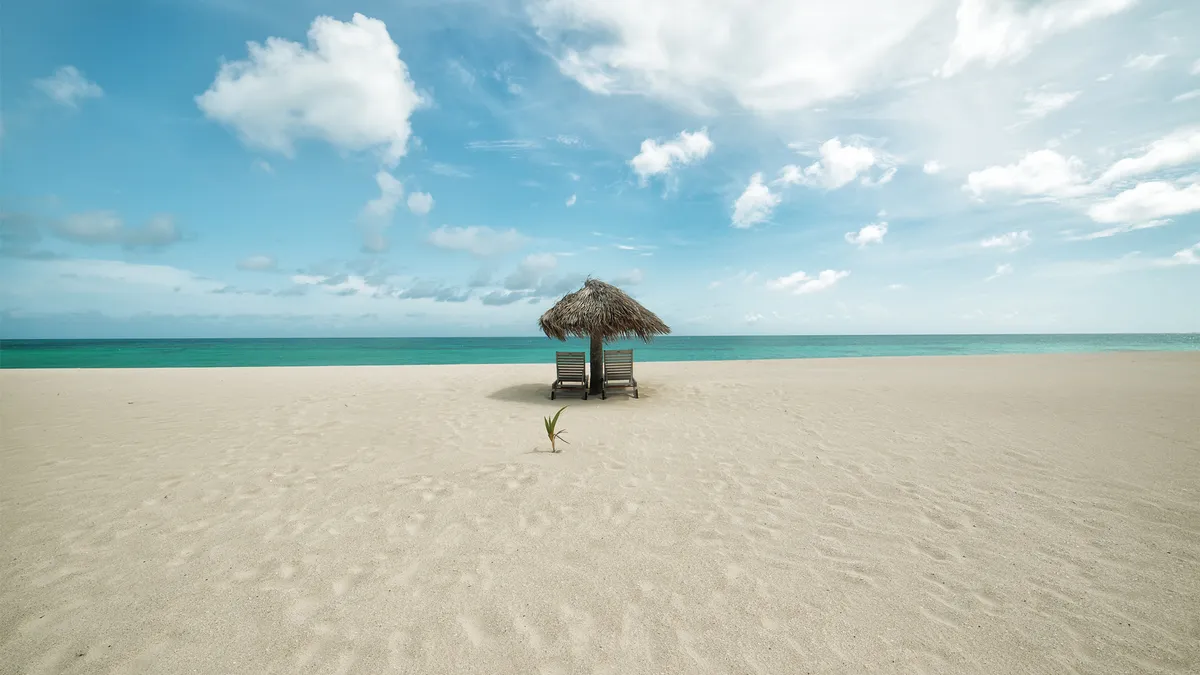
Barbuda
Barbuda, Antigua's quiet sister island 30 miles north, draws a 17-mile Pink Sand Beach, a vast Frigate Bird Sanctuary and limestone caves. A wild day escape.
Barbuda
Barbuda, Antigua's quiet sister island 30 miles north, draws a 17-mile Pink Sand Beach, a vast Frigate Bird Sanctuary and limestone caves. A wild day escape.
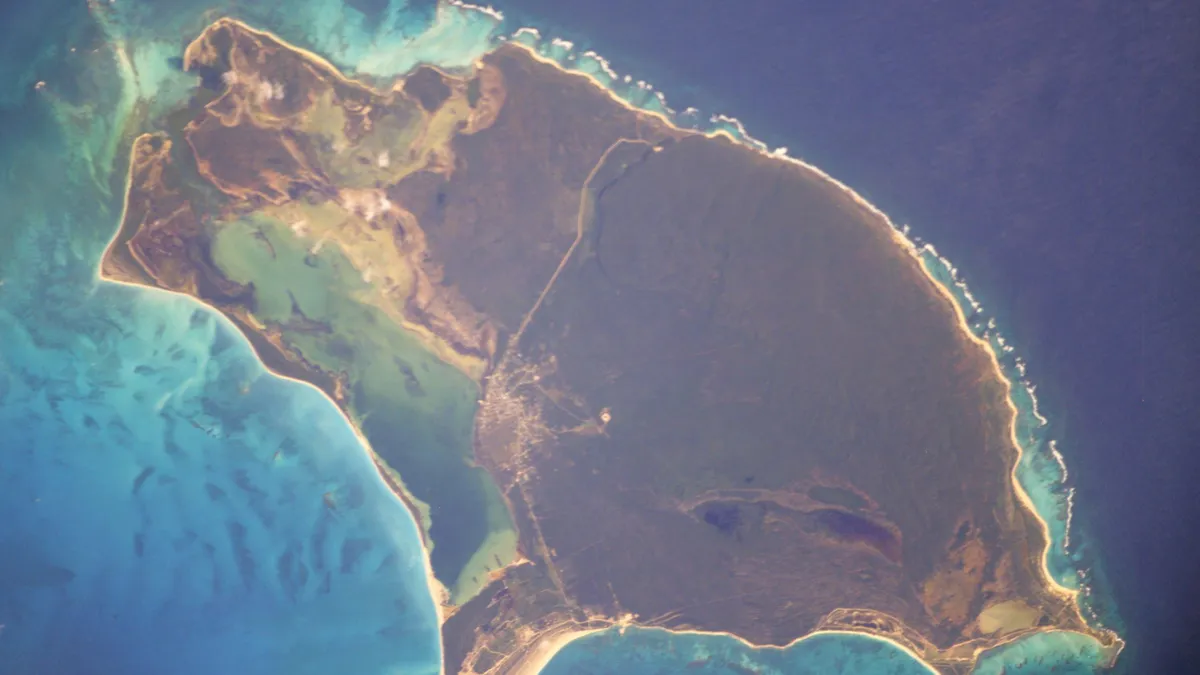
Barbuda is Antigua's sister island and its complete opposite in pace. Lying about 30 miles to the north, this low, flat coral island is home to only a small population, a single village, and almost no development. It is the wild, empty escape of the nation: miles of deserted beach, one of the Caribbean's great wildlife spectacles, and a powerful sense of getting properly away from it all.
Its most famous feature is the Pink Sand Beach, a roughly 17-mile ribbon of sand along the island's south and west, blushed a soft pink by crushed coral and shell. For long stretches you may have it entirely to yourself. The water is shallow, clear and calm, and the beach is widely held to be one of the most beautiful in the world.
Inside the sheltered Codrington Lagoon sits the Frigate Bird Sanctuary, one of the largest colonies of magnificent frigate birds anywhere. Thousands of these huge seabirds nest in the mangroves, the males puffing out scarlet throat pouches in breeding season. Reaching the colony by small boat, gliding within a few feet of the nests, is the single best reason many travellers cross to Barbuda.
Getting there and around
- By sea: a high-speed ferry runs from St. John's, taking around ninety minutes across open water.
- By air: a short hop of roughly fifteen minutes lands at the island's small airstrip.
- On the island: a local guide with a boat or 4x4 is the usual way to reach the beaches, caves and sanctuary.
The only settlement is Codrington, a quiet village on the lagoon, and the island also hides a network of limestone caves with Amerindian petroglyphs and high lookout points such as Two Foot Bay. Barbuda is still rebuilding and re-wilding after Hurricane Irma struck it hard in 2017, which adds to its raw, frontier feel.
This is not the place for resorts, nightlife or watersports vendors. Most people visit Barbuda as a long day trip from St. John's, though a small number of exclusive lodges let you linger. Come for the solitude, the pink sand and the frigate birds, and leave the busier world back on Antigua.
Practical information
Beaches here
Pink Sand Beach (17 Mile Beach)
Barbuda's legendary pink-tinged beach: miles of soft, blush-colored sand and clear shallows, almost completely deserted. One of the Caribbean's most extraordinary and remote stretches of coastline.
Coco Point Beach
A remote, pink-tinged white sand beach at the southern tip of Barbuda, where the calm leeward coast meets the breezier windward side beside the former K Club estate.
Gravenor Bay
A wide, undeveloped bay at the southern tip of Barbuda between Coco Point and Spanish Point, where white sand meets calm turquoise water laced with snorkel-ready reefs.
Spanish Point
A wild, windswept peninsula at the far southeast tip of Barbuda, where a thin ribbon of sand separates the glassy Caribbean from the open Atlantic surf, with reefs offshore and a ruined old stone tower a short way inland near the bay.
Two Foot Bay
A wild, windswept shore on Barbuda's remote northeast coast, where limestone cliffs and caves meet open Atlantic surf. This is a beach for explorers, not loungers.
Where to eat
Where to stay
Barbuda Belle
Solar-powered wooden bungalows on Barbuda's pink-sand beach at Cedar Tree Point, reachable only by boat from Antigua. A Small Luxury Hotels of the World member suited to honeymooners and travelers wanting total seclusion.
Barbuda Cottages
Traditional wooden beachfront cottages at Coral Group Bay, family-run since 2006, with Uncle Roddy's beach bar and grill on site. Suits couples or families wanting self-catering space away from crowds, in one and up to three-bedroom layouts.
Palm Tree Guest House
Family-run guesthouse on the outskirts of Codrington with eight en-suite double rooms, each with a fridge and kettle. A practical, budget base a short walk from town for travelers who do not need beachfront.
Barbuda questions
How do I get to Barbuda from Antigua?
+
There are two ways. A high-speed passenger ferry runs from St. John's and takes around ninety minutes across open water, which can be choppy. Alternatively, a short flight from V.C. Bird International Airport reaches Barbuda's small airstrip in roughly fifteen minutes. Both can be booked as part of a day tour.
Why is the sand on Barbuda's beach pink?
+
The famous Pink Sand Beach gets its soft blush from tiny fragments of crushed pink coral and shell mixed into the white sand. The colour is most obvious in certain light and along particular stretches of the roughly 17-mile beach, which runs along the island's south and west coasts.
What is the Frigate Bird Sanctuary?
+
It is one of the largest colonies of magnificent frigate birds in the world, set in the mangroves of Barbuda's Codrington Lagoon. Thousands of these large seabirds nest there, and in breeding season the males inflate bright red throat pouches. Visitors reach the colony by small boat and can glide right up to the nests.
Can I visit Barbuda as a day trip?
+
Yes, and most visitors do. A typical day trip combines the ferry or flight with a local guide who takes you to the Pink Sand Beach, the Frigate Bird Sanctuary and sometimes the caves. There are a few exclusive lodges if you want to stay overnight, but tourist infrastructure on the island is minimal.
Is there much tourist infrastructure on Barbuda?
+
Very little, which is the point. Barbuda has one small village, Codrington, a handful of exclusive lodges and few restaurants or shops. There are no big resorts, nightlife or watersports vendors. The island is still rebuilding after Hurricane Irma in 2017, so come prepared for a wild, low-key escape rather than a polished resort experience.
Keep reading
Travel Guides
Helpful guides for planning your trip to Barbuda
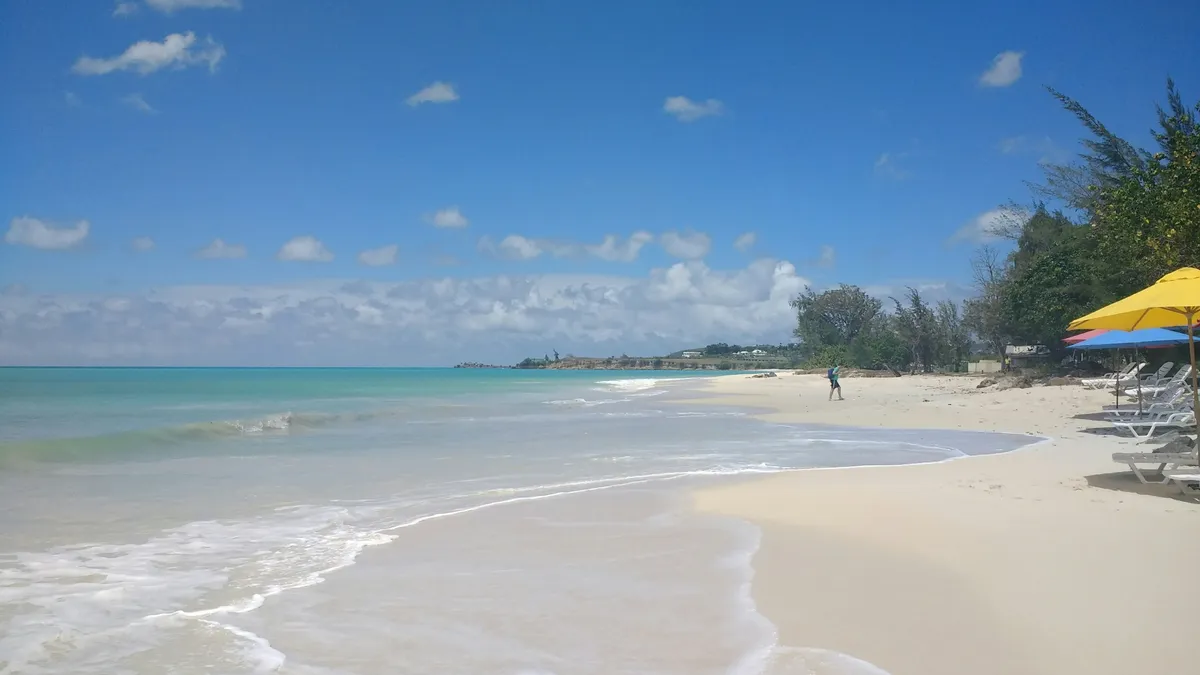 Planning
Best Time to Visit Antigua and Barbuda
Best time to visit Antigua runs mid-December to mid-April for reliable sun, while May, June, and late November trade a little rain for lower prices.
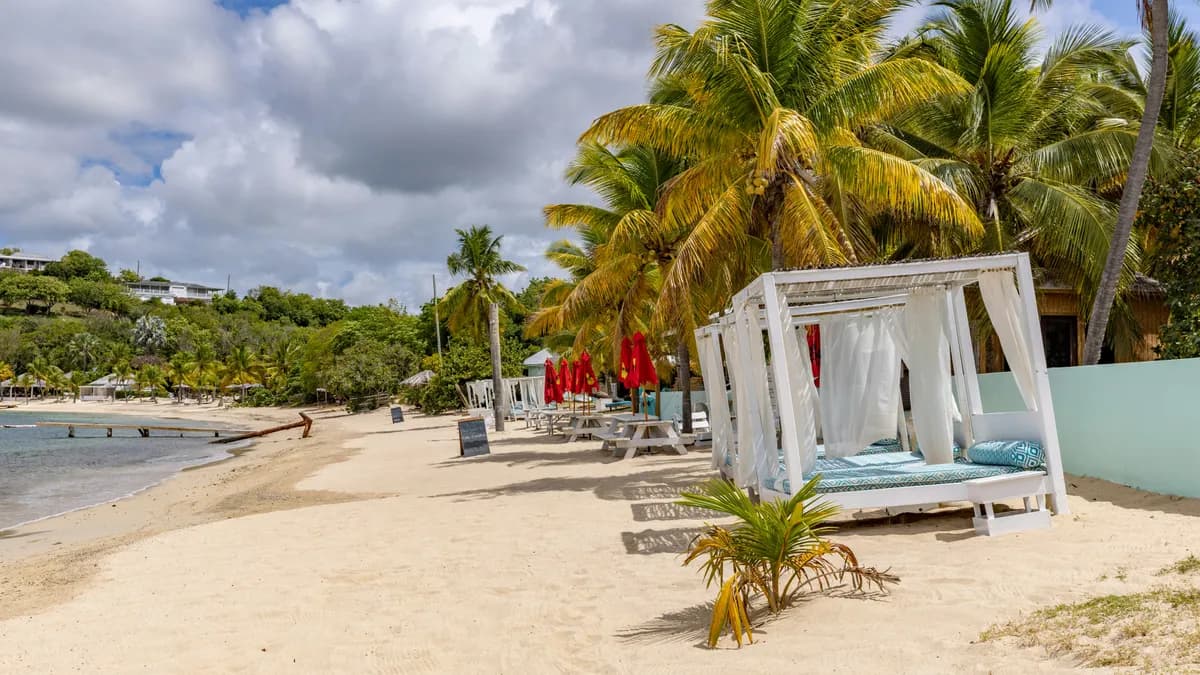 Beaches & Nature
Best Beaches in Antigua: 365 to Choose From
Best beaches in Antigua span 365 named stretches of sand, sorted by calm leeward coves for families, Atlantic surf spots, and Barbuda's miles of pink sand.
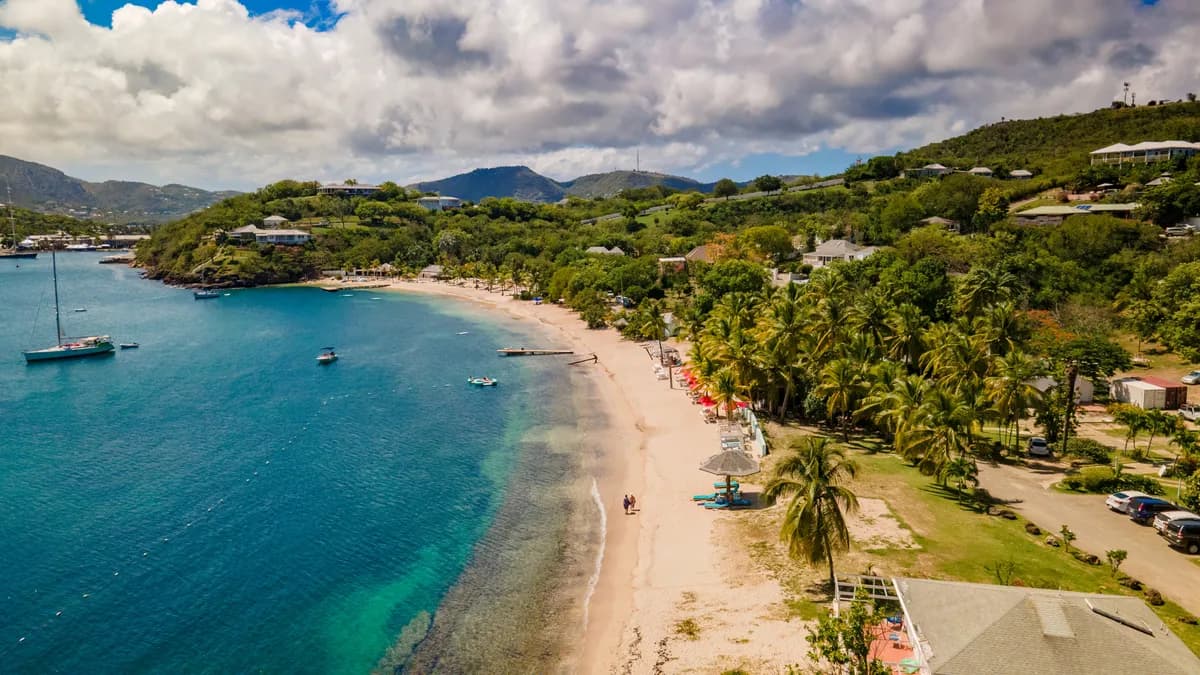 Planning
Antigua Travel Guide for First-Timers
Antigua travel guide for first-timers covers V.C. Bird Airport arrival, EC dollars, left-side driving, where to stay, and the best months to visit.
 Areas & Islands
Barbuda Travel Guide: Antigua's Sister Island
Barbuda travel from Antigua takes a 90-minute ferry or short flight to reach Pink Sand Beach, the Frigate Bird Sanctuary, and Codrington's post-Irma recovery.
 Planning
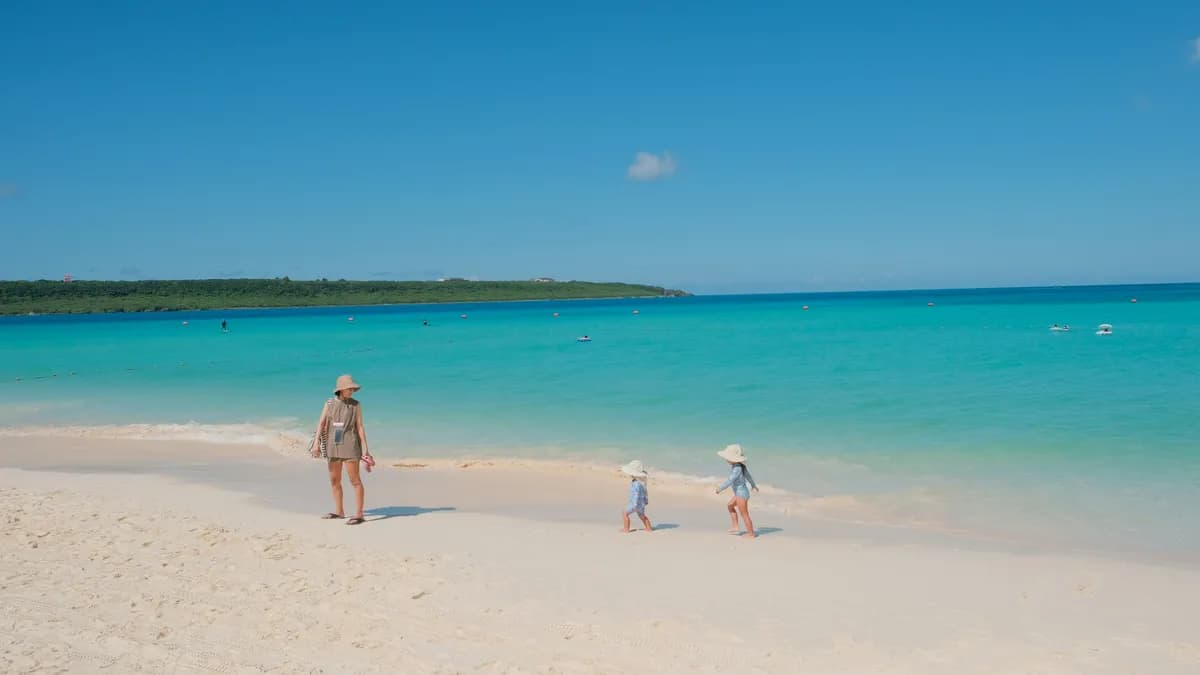
Antigua with Kids: Family Travel Guide
Antigua with kids works best at calm beaches like Valley Church and Dickenson Bay, with real age and height limits for activities and family-friendly bases.
 Experiences
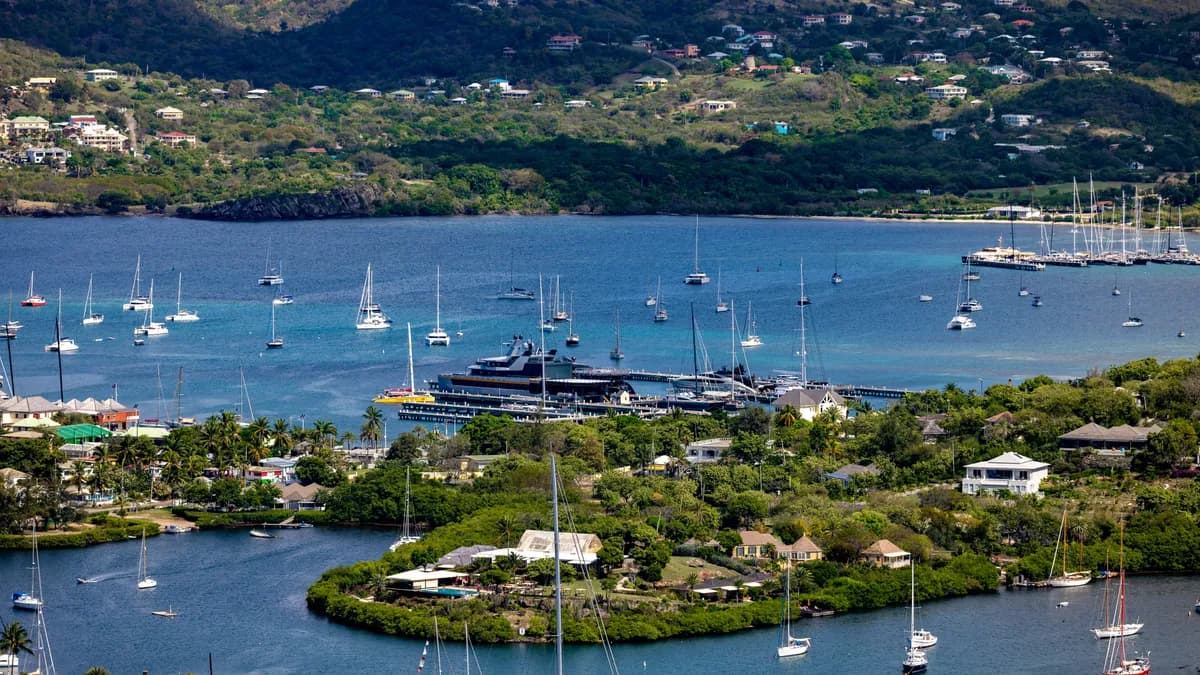
Antigua Sailing & Yachting Guide
Antigua sailing centers on English and Falmouth Harbours, with steady 12 to 20 knot trade winds, bareboat and crewed charters, and anchorages out to Barbuda.