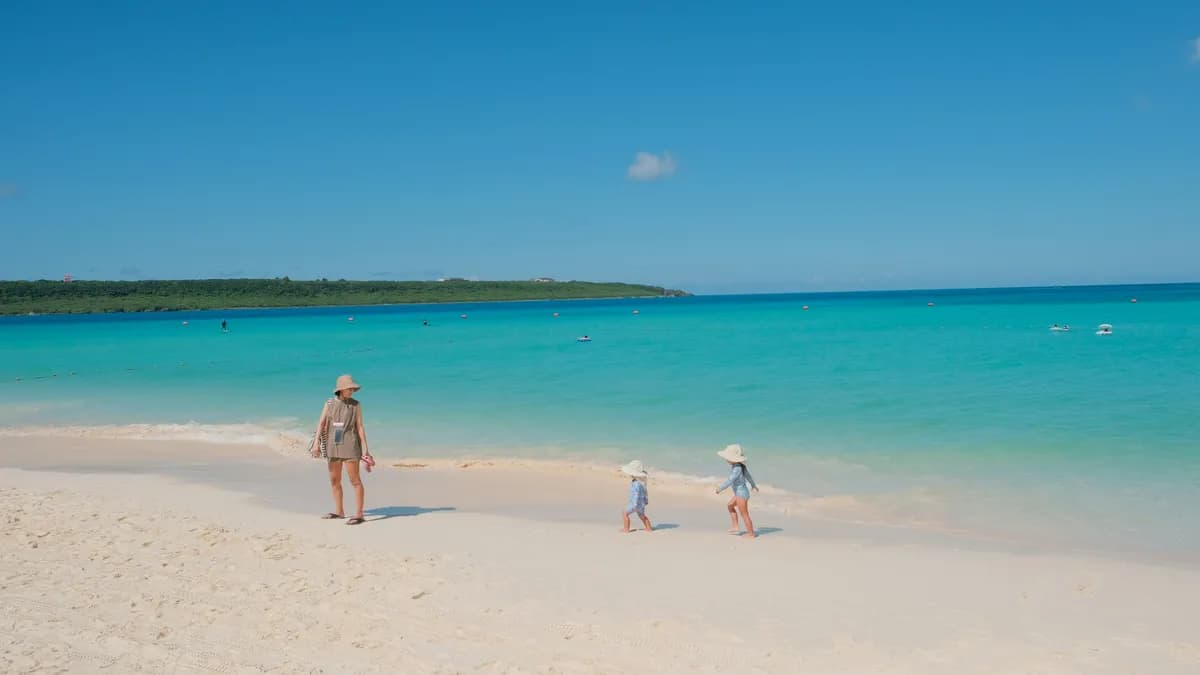
Antigua with Kids: Family Travel Guide
Antigua with kids works best at calm beaches like Valley Church and Dickenson Bay, with real age and height limits for activities and family-friendly bases.
Antigua works well for families because the things that make it relaxing for parents (calm, shallow bays and short drive times) are the same things that make it safe and fun for kids. The island is small enough that you can base yourself in one spot and still reach a different beach, a fort, or a boat trip without a long transfer. This guide covers the calmest swimming beaches, which activities have realistic age and height minimums, where to stay with children, and the practical details that smooth out a trip with little ones.
Calm beaches that suit young children
The west and southwest coasts of Antigua face the Caribbean Sea, so the water is generally flatter and clearer than the breezier Atlantic side. For toddlers and early swimmers, you want a gentle slope into the water, no strong shore break, and ideally some shade and a place to buy lunch.
- Valley Church Beach stays shin-to-waist deep a long way out, with powder-soft sand. It is one of the easiest entries on the island for small children, and a beach bar handles snacks and shade.
- Ffryes Beach sits just up the coast and pairs calm water with a casual restaurant, so you can swim, eat, and reset a nap without moving the car.
- Dickenson Bay Beach in the north is the most developed family beach: gentle water, rentals, watersports, and food right behind the sand. It is the easiest base if you want everything in walking distance.
- Turners Beach and Darkwood Beach are quieter southwest options with the same calm, swimmable conditions and simple lunch spots.
- Jolly Beach is long and flat with resort facilities nearby, good for a full beach day with kids who like room to run.
Save the more exposed Atlantic beaches like Half Moon Bay and Long Bay for older, confident swimmers, or visit on a calm day and stay in the sheltered ends. Pigeon Point Beach near English Harbour is another protected, shallow choice in the south.
Beach-day tips with kids
- Mornings are calmer and less crowded; arrive before the cruise-tour buses.
- Reef-safe sunscreen plus rash guards beats reapplying lotion on wriggling toddlers.
- Many calm beaches have little natural shade, so bring or rent an umbrella, especially midday.
Kid-friendly activities and their real age limits
Antigua has plenty of family activities, but the age and size cutoffs matter, so plan around them rather than being turned away at the dock.
Stingray City
The Stingray City tour is the standout family outing. Boats take you to a sandbar in shallow, waist-deep water where you stand and feed and stroke wild southern stingrays. There is no strict minimum age, the water is calm, and crew help with boarding, so it works for cautious kids and grandparents alike. Younger children can be held in arms in the shallows; bring water shoes and let staff brief everyone on the gentle shuffle-walk. You can read more about the site at Stingray City.
Catamaran and boat trips
A catamaran day cruise is the easiest way to see the coast with kids: stable deck, shade, lunch on board, and stops for swimming or snorkeling. Most operators welcome all ages, though full-day circumnavigation trips make for a long day with toddlers, so a half-day cruise is often the better call. A short kayaking or paddleboarding session in a calm bay suits older children, and snorkeling in flat water like Green Island is a gentle introduction.
Rainforest zip line
The rainforest zip line at Antigua Rainforest is a hit with older kids, but it has real requirements. The minimum age is generally around 4, provided a chest-and-waist harness fits and the child weighs roughly 40 pounds or more, and there is usually a height or arm-span minimum for the rope-challenge sections. Limits vary by operator, so confirm your child qualifies before booking. The shorter beginner lines suit families with mixed ages.
Other easy wins
- Island jeep safari tours keep restless kids engaged with bumpy back-road driving, beach stops, and viewpoints.
- Horseback riding on the beach often takes children from about 6 or 8 up, depending on the stable.
- A day trip to Barbuda rewards families with the famous pink sand beach and the frigate bird sanctuary, reached by a calm boat ride through the Codrington Lagoon.
Sights that double as low-key family outings
You do not need a dedicated kids' attraction to fill a half-day. Several of Antigua's historic and nature sites work as easy, shaded outings between beach sessions.
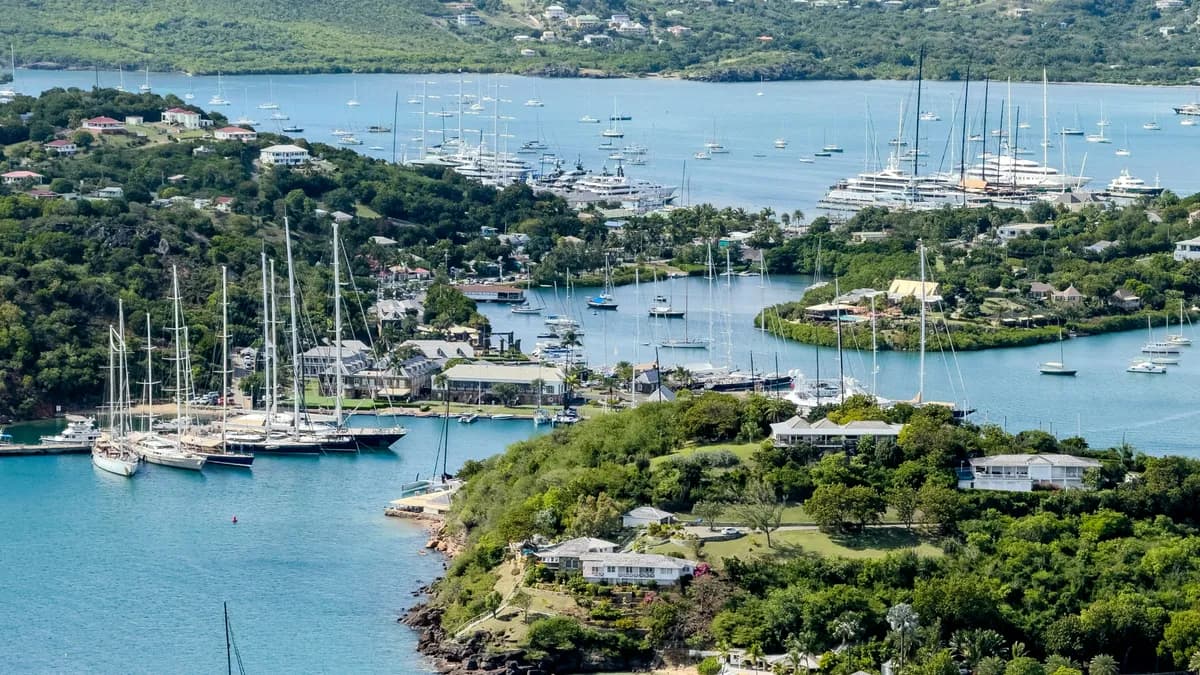
- Nelson's Dockyard at Nelson's Dockyard National Park is a flat, walkable UNESCO site with boats, cannons, and ice cream. Pair it with the view from Shirley Heights.
- Devil's Bridge has dramatic natural rock arches and blowholes; supervise closely near the edge, but the short walk suits all ages.
- Betty's Hope sugar estate has restored windmills and open space to roam.
- Fig Tree Drive is a scenic rainforest road past fruit stands where kids can try Antigua black pineapple.
- In the capital, St. John's has the twin-towered cathedral and the small, manageable Museum of Antigua and Barbuda.
Where to stay with children
Match your base to the ages and pace of your group. Antigua's regions each suit a different style of family trip.
- Dickenson Bay in the north is the most family-convenient: calm beach, watersports, restaurants, and easy access to the airport at V.C. Bird International.
- Jolly Harbour on the west coast is popular for self-catering villas and condos with kitchens, a marina, and a supermarket, which suits families who want to cook and spread out.
- Five Islands has quiet, scenic resort beaches like Hawksbill and Galley Bay for a calmer, lower-key stay.
- English Harbour in the south is best if you want history and sailing atmosphere, with sheltered swimming at Pigeon Point and Galleon Beach nearby.
Self-catering with a kitchen often wins with young children: you control mealtimes, naps, and snacks, and you avoid restaurant waits. If you book an adults-only or strictly couples resort by mistake, you will be turned away, so confirm a property accepts children before paying.
Practical tips for a smooth family trip
Getting around
Antigua drives on the left, and a temporary local permit is required to rent a car (your hotel or the rental desk arranges it). Roads are narrow and signage is light, so build in extra time and avoid night driving with tired kids. See getting around Antigua for car rental, taxi, and bus details. Taxis are unmetered, so agree the fare before you set off.
Health, safety, and what to pack
- The sun is strong year-round; hats, rash guards, reef-safe sunscreen, and water bottles are essentials.
- Tap water is generally treated, but many families prefer bottled or filtered water; ask at your accommodation.
- Pack any child-specific medicines, a small first-aid kit, and motion-sickness remedies if you plan boat trips.
- Save the emergency contacts for the island before you arrive.
- Check entry requirements and consider travel insurance that covers your children.
When to go
Antigua is warm and sunny most of the year. The mid-December to mid-April high season has the most reliable weather and the calmest seas, which is ideal for nervous young swimmers, but it is also the busiest and priciest window. Hurricane season runs June to November, with the highest risk late in that period. For a month-by-month breakdown see the Antigua weather guide, and skim local tips before you go.
Food kids will actually eat
Beyond resort menus, let older children try local staples: ducana (a sweet potato dumpling), grilled fish, and fresh black pineapple. The island's food scene has plenty of mild, familiar options too, so picky eaters rarely go hungry.
Frequently Asked Questions
Is Antigua good for a family vacation with young children?
Yes. The island has dozens of calm, shallow Caribbean-side beaches like Valley Church and Ffryes that are ideal for toddlers, short drive times between attractions, and family-friendly activities such as Stingray City. English is the official language and the East Caribbean dollar is the currency, with US dollars widely accepted, which keeps logistics simple.
What is the best beach in Antigua for toddlers and small kids?
Valley Church Beach is a top pick because the water stays shallow far from shore and the sand is soft. Ffryes Beach, Dickenson Bay, Turners Beach, and Jolly Beach are also calm and have food and shade nearby. Stick to the west and southwest coasts, where the sea is generally flatter than the breezier Atlantic side.
Can children do the Stingray City tour in Antigua?
Yes, Stingray City is one of the most family-friendly activities on the island. The stingrays gather on a shallow sandbar where the water is roughly waist-deep, so kids can stand with help, and crew assist with boarding. There is no strict minimum age, though very young children should be held and supervised closely.
What is the minimum age for the Antigua rainforest zip line?
The minimum age is generally around 4 years old, provided a chest-and-waist harness fits properly and the child weighs about 40 pounds or more. Some sections, like the rope challenge, add height or arm-span minimums. Requirements vary by operator, so confirm your child qualifies before you book.
Where should families stay in Antigua?
Dickenson Bay in the north is the most convenient for families, with a calm beach, watersports, and restaurants close together. Jolly Harbour on the west coast offers self-catering villas and condos with kitchens, which suits families who want to cook. Five Islands and English Harbour are quieter alternatives, and you should confirm any property accepts children, since some resorts are adults-only.
Do I need a car to get around Antigua with kids?
A car gives you the most flexibility for reaching different beaches and attractions, but Antigua drives on the left and requires a temporary local driving permit, and the roads are narrow. Many families use taxis for day trips instead and rent only occasionally. Agree taxi fares in advance, since they are not metered.
English Harbour & Falmouth
This guide covers English Harbour & Falmouth. Explore more about this destination.
View DestinationAbout the Author
Alex Borshch
Founder and editor of the Isla365 network. Spent six months living in the Dominican Republic over the 2013-14 winter, and has since wintered in Thailand, Vietnam and Turkey. Writes and edits the guides across the network.