Museum of Antigua and Barbuda
The islands' story in St. John's oldest building
Museum of Antigua and Barbuda
The Museum of Antigua and Barbuda is the best place to make sense of the islands' history before you set out to explore them. It occupies the former St. John's Courthouse, a handsome stone building of 1750 that is reckoned the oldest in the capital, St. John's. The courthouse was designed by Peter Harrison, an architect known for fine colonial buildings across the West Indies and North America; the ground floor once held the Court of Justice and the upper rooms the colonial legislature.
Opened as a museum in 1985 and run by the Historical and Archaeological Society, the collection tells the long story of the islands in a single, manageable visit. Displays trace the Amerindian peoples who first settled here, the arrival of Europeans, the brutal sugar-and-slavery economy that shaped places like Betty's Hope, emancipation, and the road to independence in 1981.
Among the exhibits are Arawak and pre-Columbian artefacts, models and tools from the plantation era, and a cricket bat belonging to the Antiguan-born legend Sir Vivian Richards, a nod to the islands' sporting pride. It is a modest, old-fashioned museum rather than a slick modern one, but that is part of its charm, and the building itself is an exhibit.
The museum sits in the heart of town, an easy walk from St. John's Cathedral, the market, and the cruise terminal, which makes it a natural stop on a walking tour of the capital. Admission is by a small donation, it is open on weekdays and Saturday mornings, and an hour is plenty to take it in.
Frequently asked questions
What is the museum building?
+
The museum occupies the former St. John's Courthouse of 1750, reckoned the oldest building in the capital. Designed by architect Peter Harrison, it once housed the Court of Justice and the colonial legislature.
What can you see in the museum?
+
Displays trace the islands from Amerindian settlement through the sugar-and-slavery era to independence in 1981. Highlights include Arawak artefacts, plantation-era exhibits, and a cricket bat used by Sir Vivian Richards.
When is the museum open?
+
The museum is open on weekdays and Saturday mornings and closed on Sundays. Admission is by a small donation. An hour is enough to take it in, and it pairs well with a walk to St. John's Cathedral nearby.
Keep reading
Travel Guides
Helpful guides for planning your trip to St. John's
 Experiences
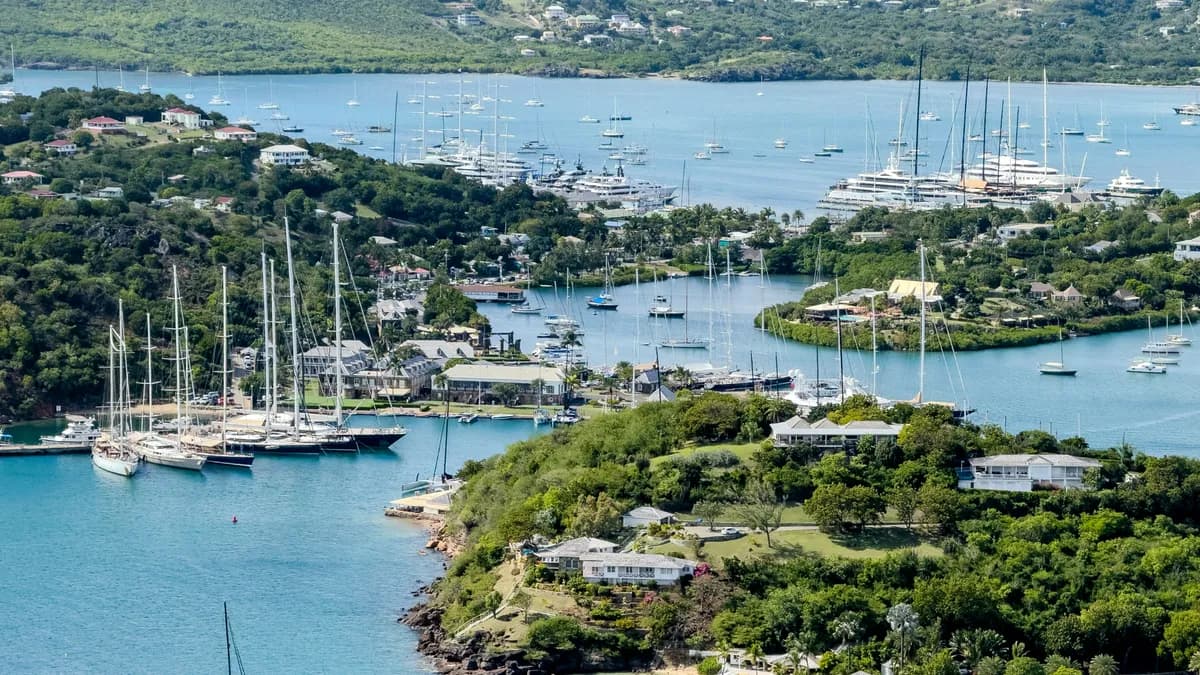
Things to Do in Antigua: Top Experiences
Things to do in Antigua range from Stingray City and a rainforest zip line to sailing English Harbour and the Sunday steel band at Shirley Heights.
 Beaches & Nature
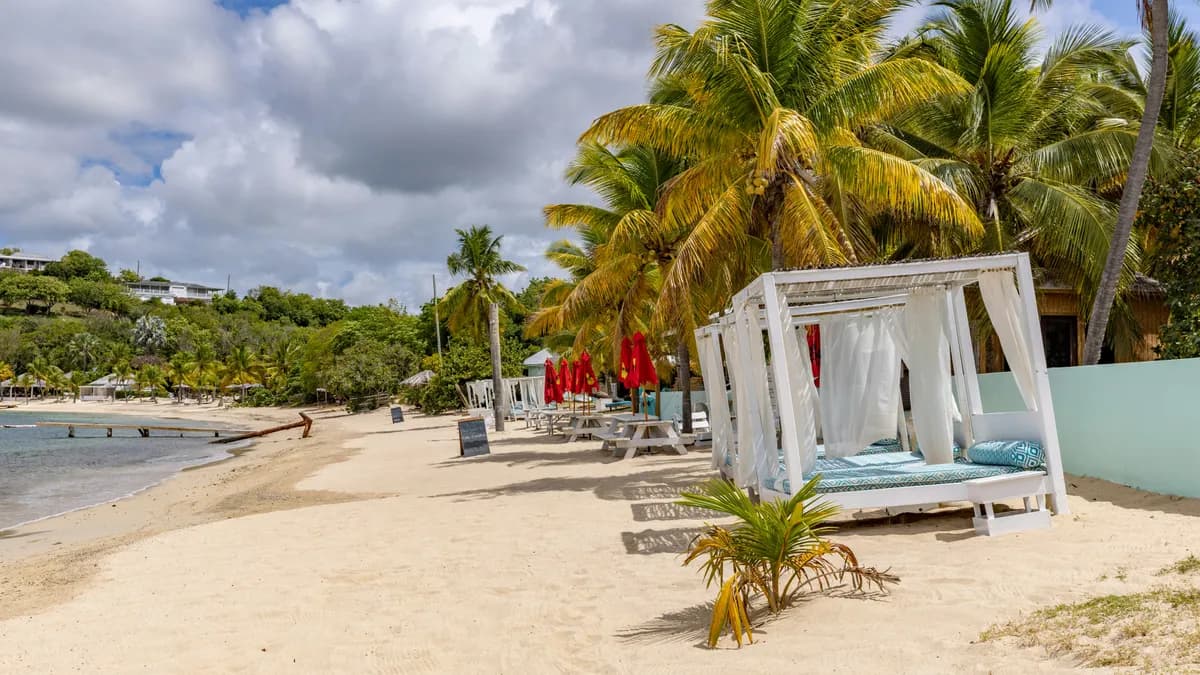
Best Beaches in Antigua: 365 to Choose From
Best beaches in Antigua span 365 named stretches of sand, sorted by calm leeward coves for families, Atlantic surf spots, and Barbuda's miles of pink sand.
 Planning
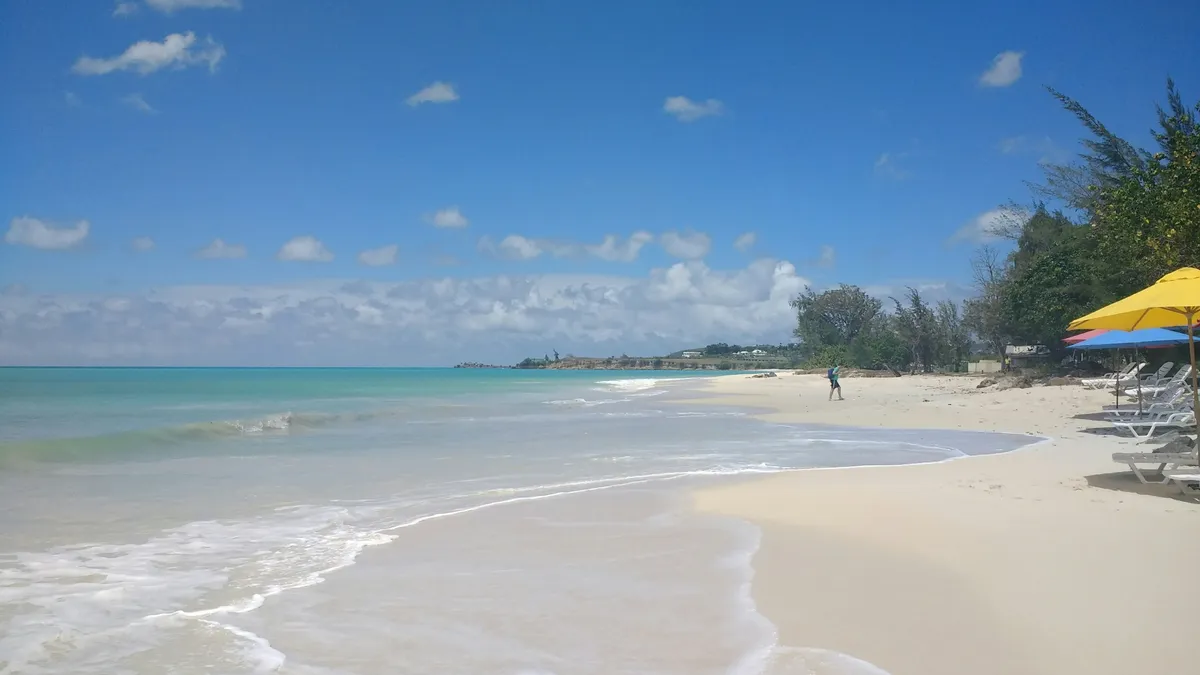
Best Time to Visit Antigua and Barbuda
Best time to visit Antigua runs mid-December to mid-April for reliable sun, while May, June, and late November trade a little rain for lower prices.
More to Explore in St. John's
Discover beaches, attractions, activities, and more in the same area
Make the most of Museum of Antigua and Barbuda
Pair this stop with our travel guides and insider tips to build the rest of your trip around it.