Best Beaches in Antigua: 365 to Choose From
Best beaches in Antigua span 365 named stretches of sand, sorted by calm leeward coves for families, Atlantic surf spots, and Barbuda's miles of pink sand.
Antigua makes a famous promise: 365 beaches, one for every day of the year. The number is more marketing roundness than surveyor's census, but the spirit holds. For an island roughly 14 miles across, the sheer count of separate, named, swimmable beaches is genuinely unusual, and you could spend a long holiday without repeating one. The real question is not whether there are 365, but how to choose the few that match what you actually want from a beach day.
This guide sorts the island's coastline the way locals do: by which way it faces. Get that one idea straight and the whole map clicks into place, from the calm sunset sands near Dickenson Bay to the windswept Atlantic coves and the pink sand of Barbuda.
How the 365 Beaches Claim Actually Works
The "one beach for every day" line dates back decades and has stuck because it is roughly defensible. Antigua's coastline is deeply crenellated, all bays, points, and coves, so the shore breaks into dozens of distinct pockets of sand rather than a few long stretches. Count generously (every cove, including the boat-only ones) and you approach the magic number. Count conservatively (only beaches you can drive to and swim from) and you land closer to 50 or 60 that most visitors would rank as excellent.
What matters for planning is the variety, not the arithmetic. You get broad resort beaches with watersports and beach bars, quiet residential strands, snorkel-friendly reef coves, and remote arcs reachable only by boat or a rough track. The trick is matching the right beach to the right day.
Leeward (Caribbean) vs. Atlantic: the one rule that matters
Antigua's west and south coasts face the Caribbean Sea (the leeward side). Sheltered from the prevailing easterly trade winds, these beaches have calm, clear, flat water, gentle entry, and they catch the sunset. This is where most resorts, families, and swimmers go.
The east and northeast coasts face the open Atlantic (the windward side). Here you get bigger swell, steady wind, dramatic scenery, and far fewer people. These beaches are spectacular to look at and great for surf, kitesurfing, and solitude, but the water is rougher and not always ideal for small children.
- Want calm water, easy swimming, and sunset: head leeward (west and south).
- Want surf, wind sports, big views, and seclusion: head Atlantic (east and northeast).
- Want pink sand and total escape: take a boat to Barbuda.
One practical note: Antigua's beaches are all public by law, even where a resort sits behind them, so you are free to walk, swim, and sunbathe on any of them.
Best Beaches for Families
Families want shallow, calm entry, shade or a beach bar nearby, and bathrooms. The leeward coast delivers all three.
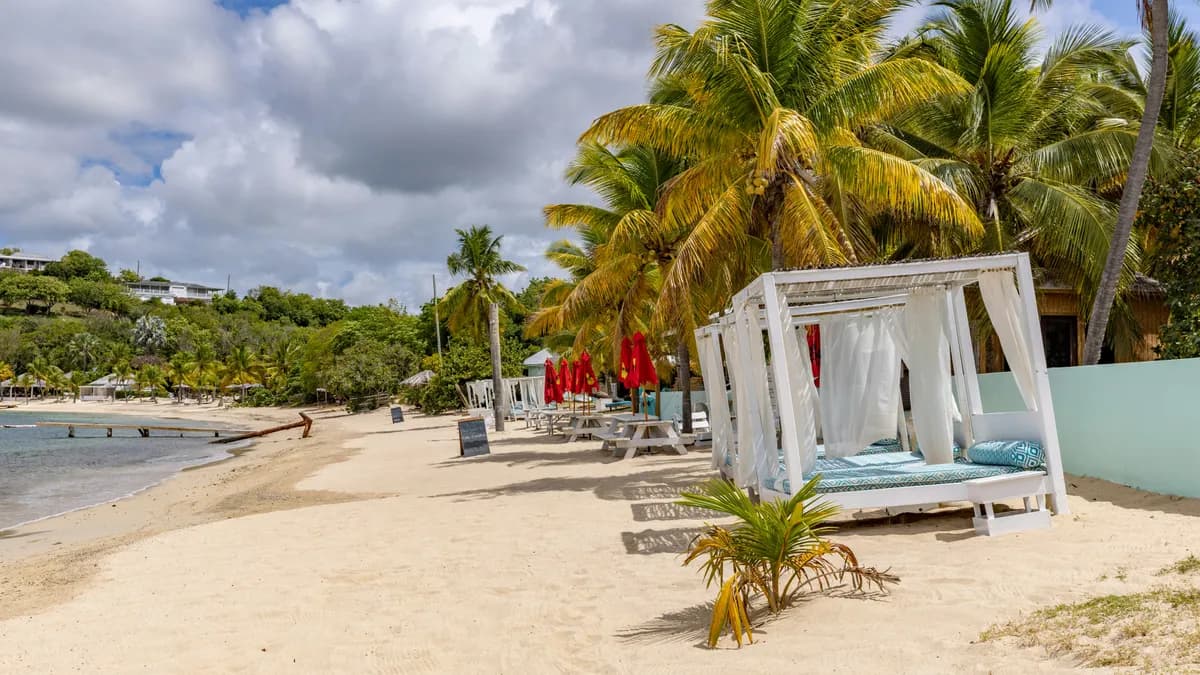
- Dickenson Bay Beach on the northwest coast (near Dickenson Bay) is the island's most developed beach: a long, soft, gently shelving curve with watersports rentals, loungers, and several restaurants. The reliable choice for a first beach day with kids.
- Jolly Beach near Jolly Harbour is one of the longest stretches on the island, with calm water and plenty of room to spread out, plus easy access to restaurants and provisioning at the marina village.
- Runaway Bay Beach, just south of Dickenson Bay, is quieter and equally calm, a good fallback when the main bay feels busy.
- Valley Church Beach has powder-soft sand and shallow turquoise water that stays waist-deep a long way out, ideal for nervous swimmers.
For an easy day with kids, pair a calm leeward beach with a low-key boat outing like a catamaran day cruise or the gentle thrill of the Stingray City tour, where you stand in chest-deep water on a sandbar.
Best Beaches for Snorkeling
Good snorkeling needs reef or rock close to shore and clear, calm water, which points you to the sheltered coves on the west and southwest coasts.
- Deep Bay Beach near Five Islands has a shipwreck (the Andes) sitting in the middle of the bay in shallow water, an easy and memorable snorkel straight off the sand, with Fort Barrington on the headland above.
- Galley Bay Beach and the nearby coves reward strong swimmers with reef along the rocky points.
- Hawksbill Beach, named for the offshore rock shaped like a turtle's head, has rocky edges that hold fish, plus a clothing-optional cove at the far end.
- Pigeon Point Beach near English Harbour is a calm, local-favorite cove with rocks at either end and easy entry.
- Green Island Beach on the protected east side is a boat-only gem inside a reef system, often included on snorkel cruises.
To go beyond the shore, book a dedicated snorkeling trip or, if you are certified, a scuba diving outing to the reefs and wrecks that ring the island.
Best Beaches for Sunset
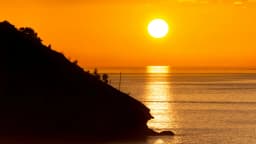
Because the leeward coast faces west, almost any west-coast beach gives you a sea-level sunset over the water.
- Ffryes Beach on the southwest coast is a wide, photogenic arc with a couple of beach bars perfectly placed for a rum punch as the sun drops.
- Darkwood Beach, just south of Ffryes along the same scenic road, is a long, mellow strip with a classic beach shack and end-of-day calm.
- Turners Beach sits between the two, with reliable restaurants and clear water that lights up gold in the late afternoon.
- Fort James Beach just north of St. John's is where locals gather on weekends for sunset, with the old fort ruins of Fort James for a stroll beforehand.
For the island's single best sunset, though, leave the sand: the Sunday party at Shirley Heights looks down over English Harbour as the light fades, with steel pan, barbecue, and a 360-degree view. See our Shirley Heights Sunday party guide for timing.
Best Beaches for Seclusion and Drama
The Atlantic and southeast coasts trade calm water for scenery and solitude. These are the beaches that make people gasp.
- Half Moon Bay Beach on the southeast coast is the island's showpiece: a perfect crescent of pale sand backed by sea-grape, with calm swimming at the sheltered south end and body-surfable waves at the open north end. A national park and protected, so it stays undeveloped.
- Rendezvous Bay Beach on the south coast has no road in; you reach it by a 4x4 track, a hike over the hill, or by boat, which keeps it nearly empty.
- Long Bay Beach on the east coast (near Long Bay) has a reef close to shore that calms the water inside it, so you get Atlantic drama with swimmable conditions, plus easy snorkeling.
- Galleon Beach across the water from Nelson's Dockyard looks back at the historic harbor and the green hills, an unusually scenic swim.
- Carlisle Bay Beach and Morris Bay Beach on the south coast are long, quiet, palm-backed crescents that rarely feel crowded.
If you want to thread several of these together in a day, an island jeep safari reaches the rougher access points, and a private sailing charter opens up the coves with no road at all.
Barbuda's Pink Sand: The Ultimate Beach Day
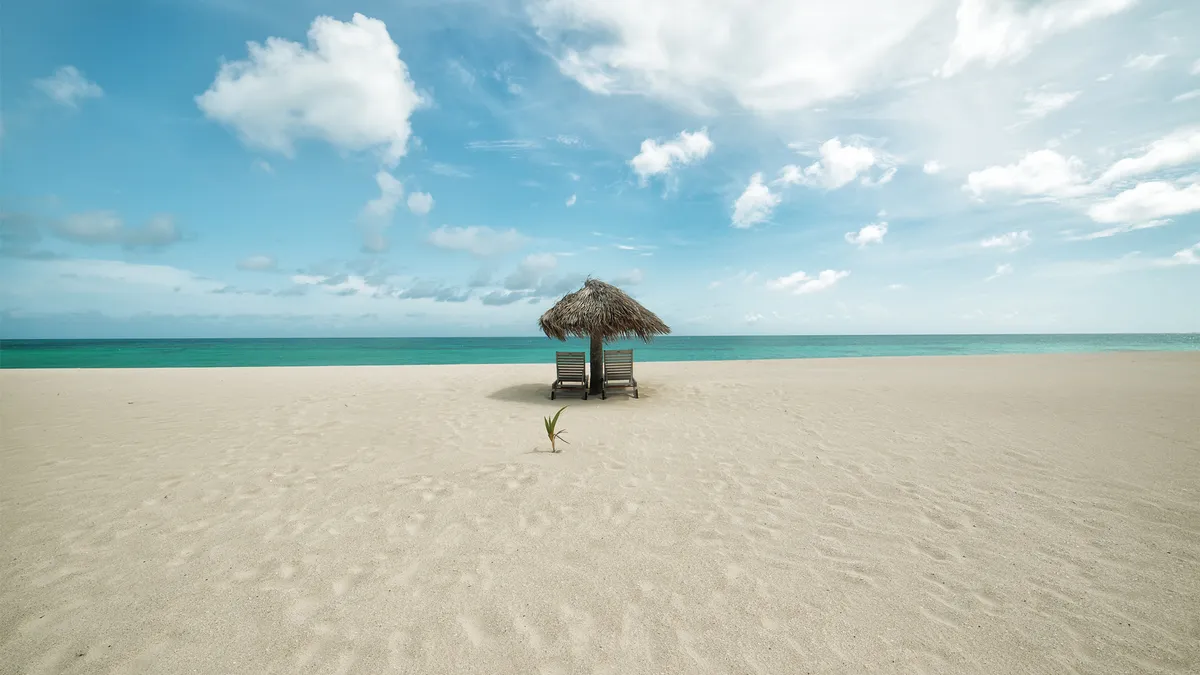
For the most extraordinary sand in the country, you have to leave the main island. Antigua's sister island Barbuda lies about 30 miles north and is ringed by long, empty beaches, including a famous stretch of pale pink sand tinted by crushed shell and coral. With a tiny population and almost no development, Barbuda offers the kind of empty-beach solitude that is getting rare in the Caribbean.
The Pink Sand Beach runs for miles along the western shore, separating the Atlantic from the Codrington Lagoon, home to one of the region's largest frigate bird colonies (see the Frigate Bird Sanctuary). The pink is subtle and shows best in certain light and after surf has churned up fresh shell, so manage expectations: it is blush, not bubblegum.
The fast ferry from St. John's takes around 90 minutes each way, which makes a day trip long but doable. The easiest way to do it is a guided Barbuda day trip that bundles the crossing, the lagoon and frigate birds, and beach time. Read our Barbuda destination guide before you go.
Planning Your Beach Days
A few practical points make the beach-hopping smoother:
- Wind direction: the trade winds blow from the east most days, so when the Atlantic side is too rough, the leeward side is calm. If one coast is blown out, just drive to the other.
- Getting around: a rental car gives you the freedom to reach the southwest and southeast beaches, but remember you drive on the left. See our transportation guide.
- When to go: high season runs mid-December to mid-April with the driest, sunniest weather; check the Antigua weather guide and note that hurricane season spans June to November.
- Bring your own shade: many of the quiet beaches have no rentals, so pack water, an umbrella, and reef-safe sunscreen.
- Refuel local: end a beach day with a cold Wadadli beer or a local rum punch, and try the island's food scene while you are out.
Two coasts, one simple rule, and a sister island of pink sand: that is how 365 beaches becomes a plan instead of a slogan.
Frequently Asked Questions
Does Antigua really have 365 beaches?
The figure is a long-standing tourism slogan rather than an exact survey, and it depends on how you count. The island's coastline is so indented with bays and coves that the true number of distinct beaches is plausibly close to 365 if you include tiny boat-only ones. Practically, there are dozens of excellent, accessible beaches, far more than you could visit in a single trip.
Which side of Antigua has the calmest water for swimming?
The west and south coasts, which face the sheltered Caribbean Sea (the leeward side), have the calmest, clearest water. Beaches like Dickenson Bay, Jolly Beach, and Valley Church are protected from the easterly trade winds. The east and northeast Atlantic coasts are rougher, windier, and better suited to surf and wind sports than to small children.
What is the best beach in Antigua for families with young kids?
Dickenson Bay Beach is the easiest choice, with soft sand, gentle shallow entry, watersports, and restaurants on hand. Valley Church Beach is another strong pick, with water that stays shallow a long way out. Both sit on the calm leeward coast.
Are Antigua's beaches public or private?
All beaches in Antigua are public by law, including the ones in front of resorts. You can walk, swim, and sunbathe on any of them. Resorts may reserve their loungers and bars for guests, but the sand and the water below the high-tide line are open to everyone.
Is Barbuda's pink sand beach worth the day trip?
Yes, if you want true seclusion and have a full day to spare. The Pink Sand Beach runs for miles with almost no one on it, and a guided Barbuda day trip pairs it with the frigate bird colony in Codrington Lagoon. The fast ferry takes about 90 minutes each way, so expect a long day, and note the pink tint is subtle rather than vivid.
Where is the best beach for sunset in Antigua?
Any west-coast beach gives you a sunset over the water; Ffryes Beach, Darkwood Beach, and Fort James Beach are local favorites with beach bars. For the most famous view, head to the Shirley Heights lookout above English Harbour for the Sunday sunset party.
Barbuda
This guide covers Barbuda. Explore more about this destination.
View DestinationAbout the Author
Alex Borshch
Founder and editor of the Isla365 network. Spent six months living in the Dominican Republic over the 2013-14 winter, and has since wintered in Thailand, Vietnam and Turkey. Writes and edits the guides across the network.