Snorkeling
Reefs, a shallow wreck and easy beach entries
Snorkeling
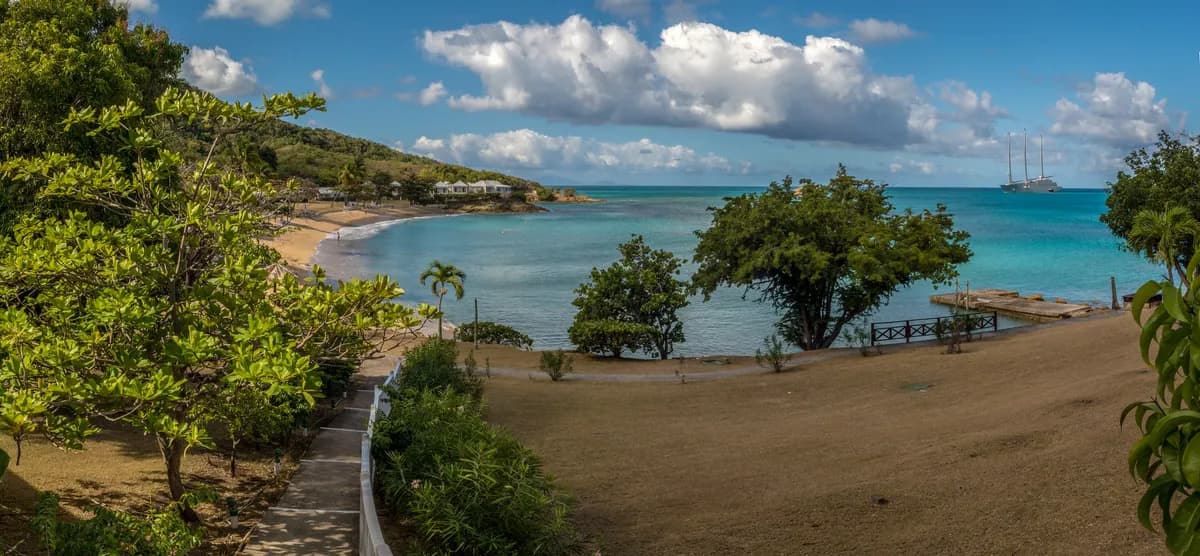
Snorkel Antigua's fringing reefs, from the long Cades Reef to the gentle Deep Bay wreck and the clear water off Green Island, with sites for first-timers and confident swimmers.
Antigua is ringed by shallow fringing reef, which means good snorkeling is rarely far away and much of it is reachable straight from the beach. Warm water (around 26 to 29 degrees Celsius), generally calm leeward bays, and easy entry points make it one of the friendliest Caribbean islands to put your face in the water.
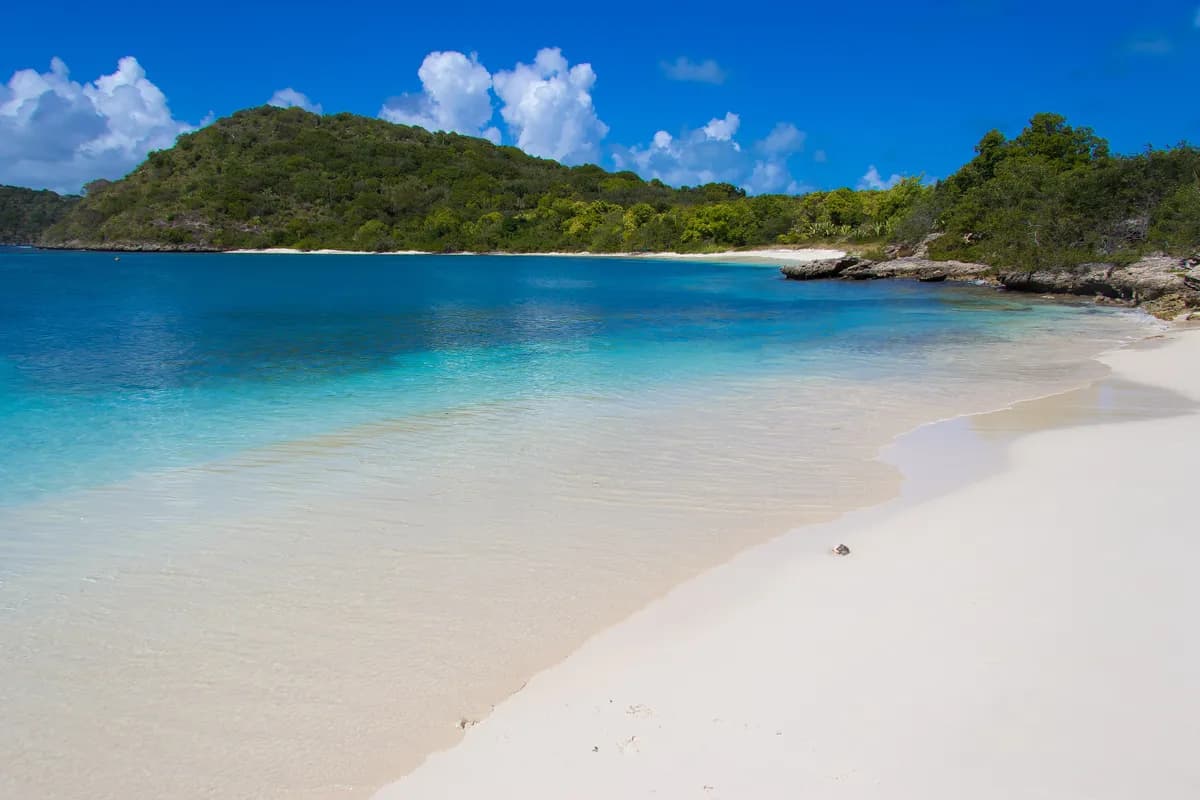
Among the best-known sites is Cades Reef, a roughly three-kilometre barrier reef off the southwest coast that is usually visited by boat and protected in part as a marine area. Closer to shore, the wreck of the Andes sits in shallow water in Deep Bay near the Five Islands peninsula, its masts almost reaching the surface, an easy and atmospheric snorkel. On the east side, the reef-sheltered lagoon off Green Island is a favourite for clear water and fish life.
Other reliable shore-snorkel spots include the rocky ends of Galley Bay and Hawksbill Beach on the west coast. Expect parrotfish, sergeant majors, blue tangs, the occasional southern stingray, and turtles grazing the sea grass.
Bring or rent a mask, snorkel and fins; many beaches and the catamaran day cruises supply gear. Always use reef-safe sunscreen and never stand on or touch coral. For deeper reefs, walls and wrecks, step up to guided scuba diving.
What to know before you go
Plan this experience
The essentials for booking Snorkeling and getting there.
Facts on this page were last compared with their sources on . Details may have changed since. How we check
Photo gallery
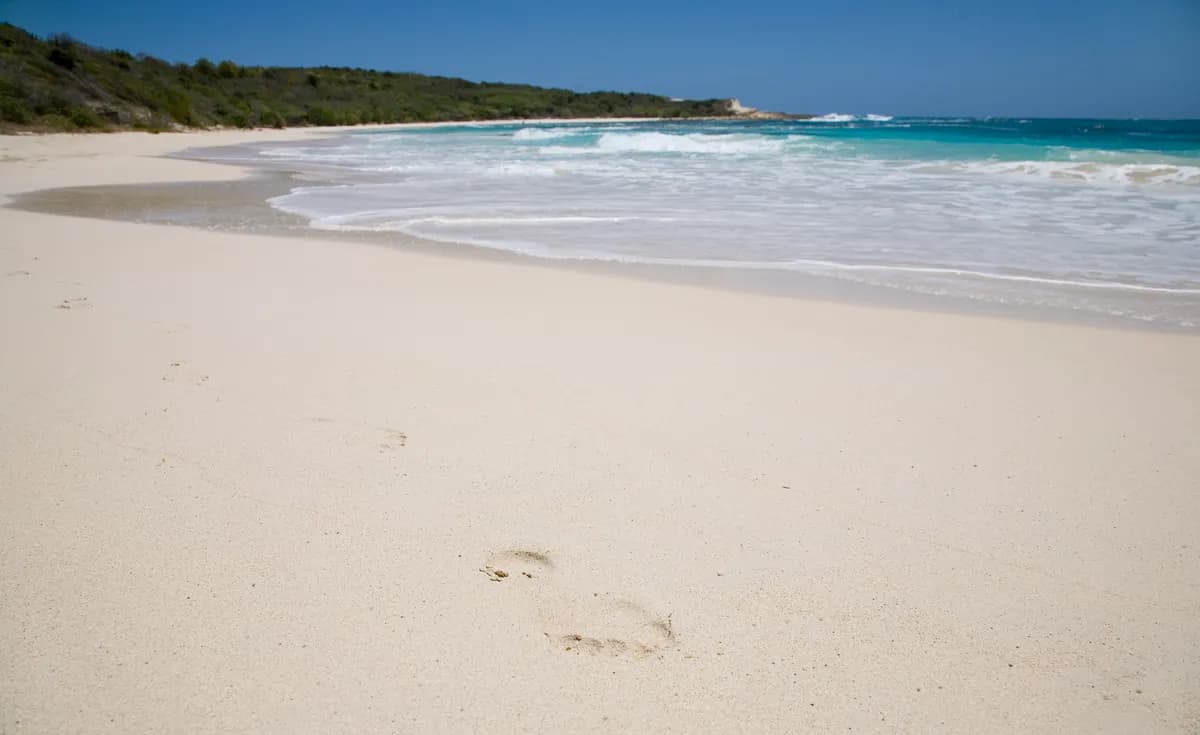
Beach on Green Island, Antigua and Barbuda
Photo: Andrew Moore via Wikimedia Commons · CC BY-SA 2.0 (https://creativecommons.org/licenses/by-sa/2.0)
Frequently asked questions
Keep reading
Travel Guides
Helpful guides for planning your trip to Five Islands Peninsula
 Experiences
Antigua Sailing & Yachting Guide
Antigua sailing centers on English and Falmouth Harbours, with steady 12 to 20 knot trade winds, bareboat and crewed charters, and anchorages out to Barbuda.
 Areas & Islands
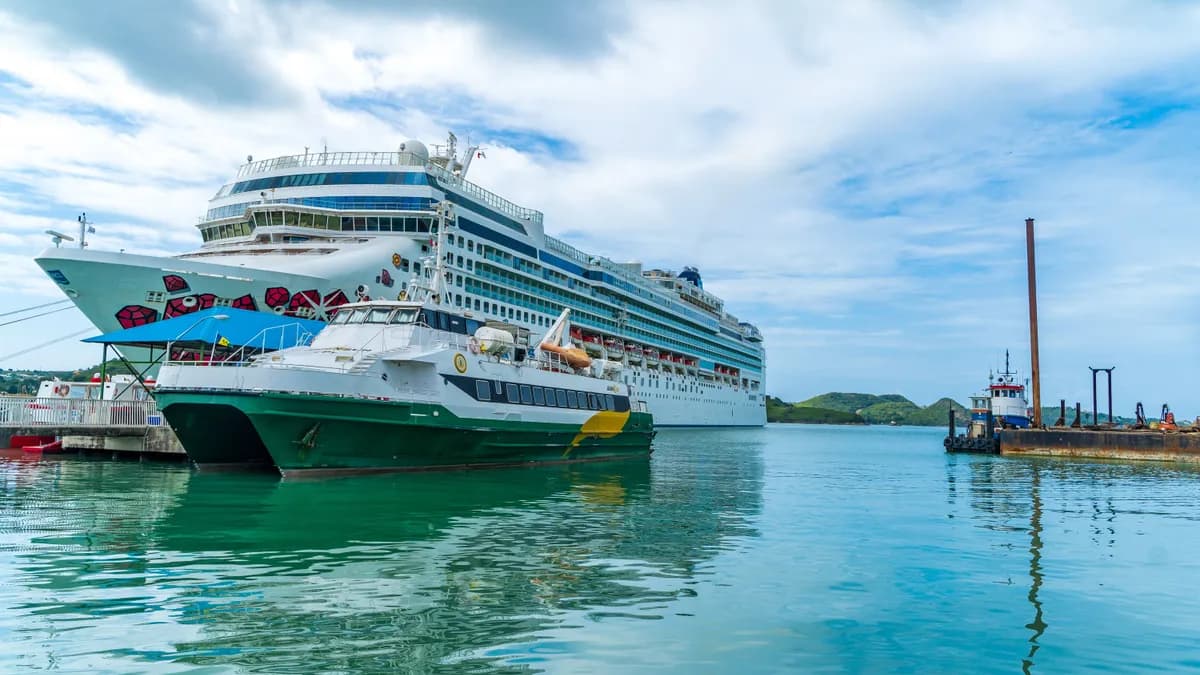
Antigua Cruise Port Guide for St. John's
Antigua cruise port sits on the St. John's waterfront, a 5-minute walk into town, with a day plan for Nelson's Dockyard, Shirley Heights, and a beach.
Antigua Diving and Snorkeling Guide: Reefs and Wrecks
Antigua diving and snorkeling guide: Cades Reef, the Andes wreck, Stingray City, shore-snorkel beaches, PADI operators, courses, and when conditions are best.
Related reading
From the blog
Blog posts about Snorkeling
More to Explore in Five Islands Peninsula
Discover beaches, attractions, activities, and more in the same area