St. John's Cathedral
St. John's landmark cathedral with baroque twin towers
St. John's Cathedral
St. John's Cathedral, formally the Cathedral of St. John the Divine, is the great landmark of Antigua's capital. Its two baroque towers, about 70 feet tall and capped with aluminium cupolas, rise above the rooftops of St. John's and are one of the first things visitors see from the harbour and the cruise terminal.
The present cathedral is the third church to stand on this hilltop. Earlier buildings were destroyed by earthquakes in 1683 and 1745, and the current structure was begun in 1845, when Governor Sir Charles FitzRoy laid the foundation stone, and completed in 1848. It is built of local stone, and the interior is unusual: the inside is entirely encased in pitch pine, a measure intended to protect worshippers from earthquake and hurricane damage.
At the south gate stand two weathered figures of St. John the Baptist and St. John the Evangelist, said to have been taken from a French ship in the 18th century. Inside, memorial tablets and an atmospheric timber-lined nave reward a quiet wander, and the churchyard holds gravestones spanning centuries of Antiguan history.
The cathedral sits within easy walking distance of the city's other sights, including the Museum of Antigua and Barbuda and the shops and market of the town centre. Entry is free, though a donation toward upkeep is appreciated. Dress modestly, as it is an active place of worship, and visit on a weekday morning to explore in peace.
Frequently asked questions
How old is St. John's Cathedral?
+
The present cathedral was built between 1845 and 1848 and is the third church on the site, after earlier buildings were destroyed by earthquakes in 1683 and 1745. Its baroque twin towers are a landmark of the capital.
Can I go inside the cathedral?
+
Yes, it is open to visitors daily outside service times, and entry is free, though a donation toward upkeep is appreciated. Dress modestly, as it remains an active Anglican place of worship.
What is unusual about the cathedral's interior?
+
The inside is entirely encased in pitch pine, a measure intended to protect worshippers during earthquakes and hurricanes. Look too for the carved figures of St. John the Baptist and the Evangelist at the south gate.
Keep reading
Travel Guides
Helpful guides for planning your trip to St. John's
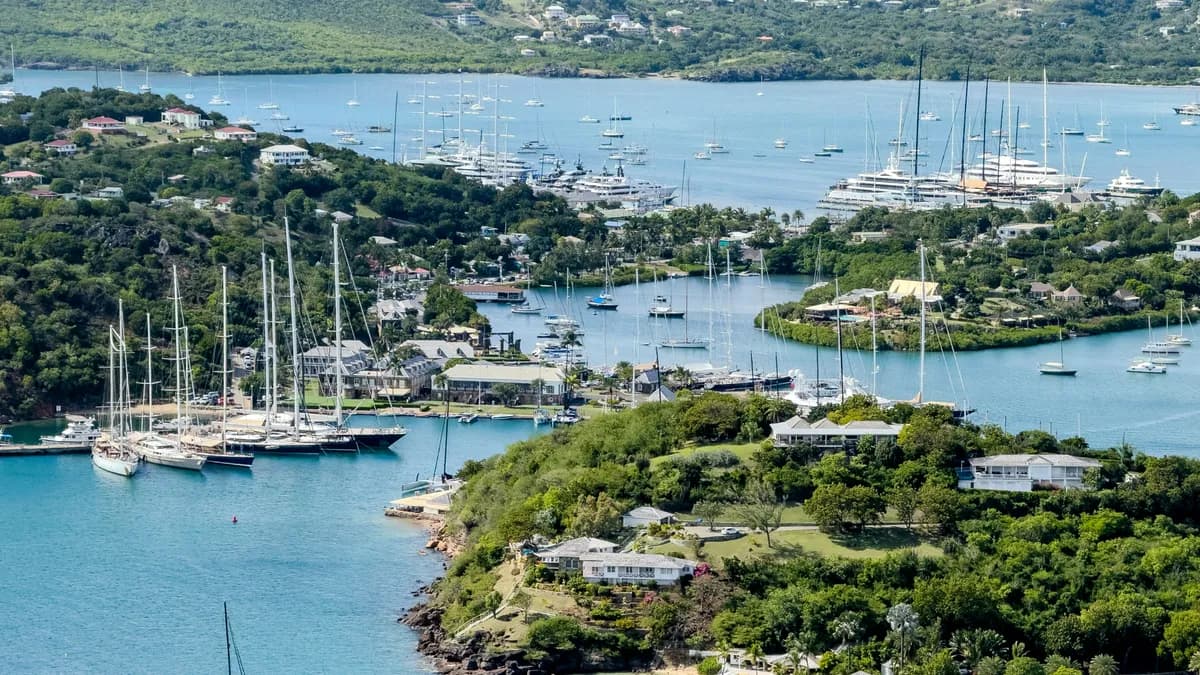 Experiences
Things to Do in Antigua: Top Experiences
Things to do in Antigua range from Stingray City and a rainforest zip line to sailing English Harbour and the Sunday steel band at Shirley Heights.
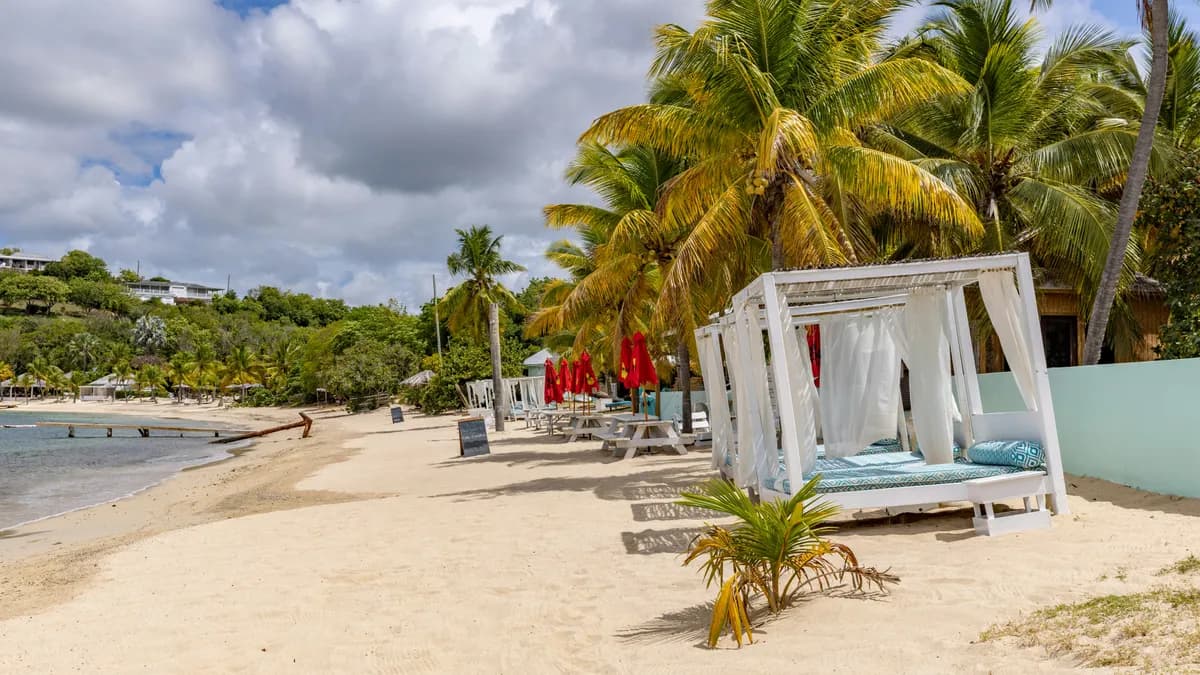 Beaches & Nature
Best Beaches in Antigua: 365 to Choose From
Best beaches in Antigua span 365 named stretches of sand, sorted by calm leeward coves for families, Atlantic surf spots, and Barbuda's miles of pink sand.
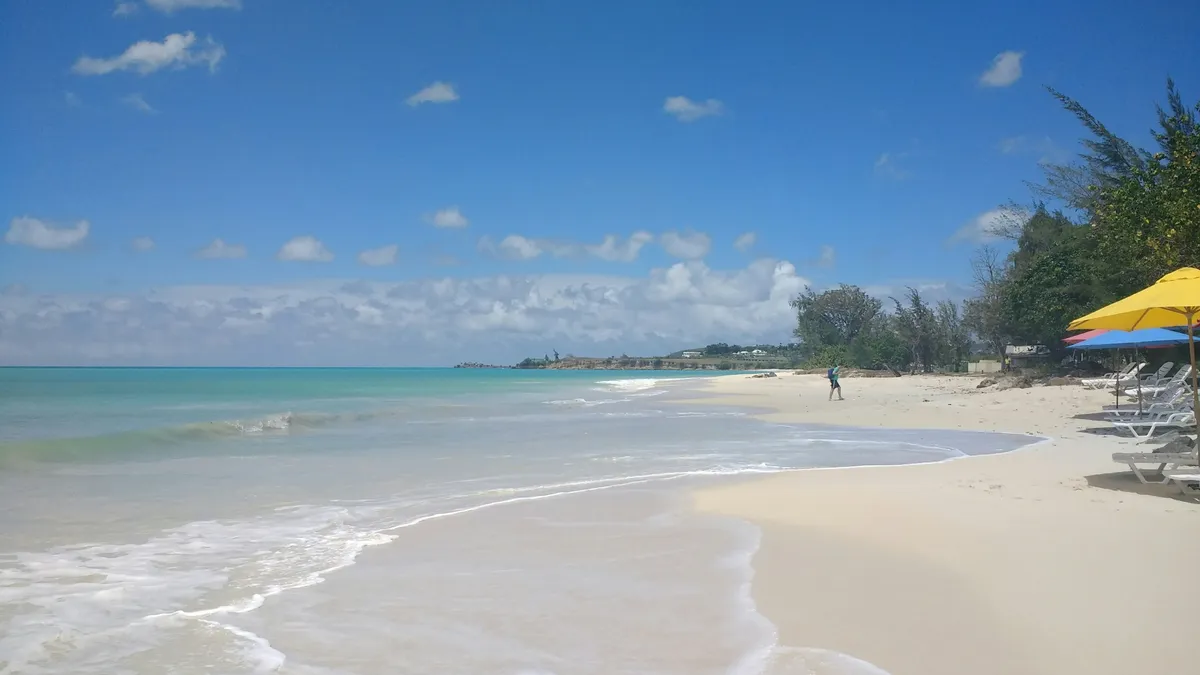 Planning
Best Time to Visit Antigua and Barbuda
Best time to visit Antigua runs mid-December to mid-April for reliable sun, while May, June, and late November trade a little rain for lower prices.
More to Explore in St. John's
Discover beaches, attractions, activities, and more in the same area
Make the most of St. John's Cathedral
Pair this stop with our travel guides and insider tips to build the rest of your trip around it.