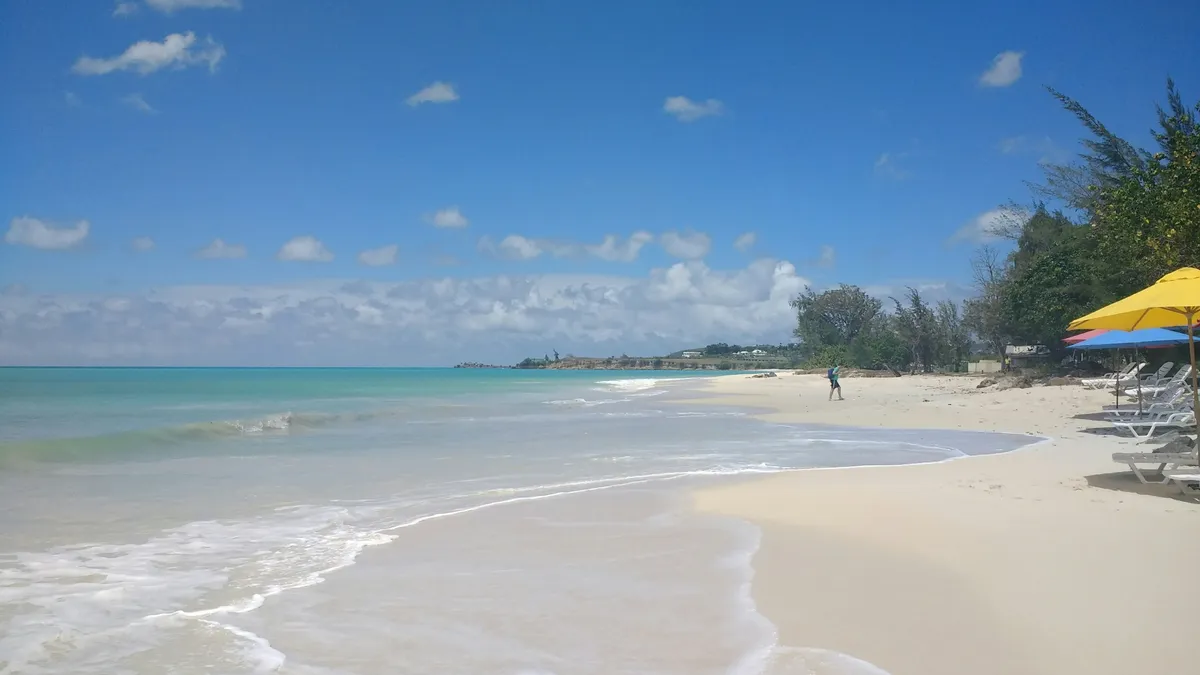
Best Time to Visit Antigua and Barbuda
Best time to visit Antigua runs mid-December to mid-April for reliable sun, while May, June, and late November trade a little rain for lower prices.
Antigua and Barbuda sits in the warm, dry belt of the Eastern Caribbean, so there is no genuinely "bad" time to come. The water hovers in the low to high 80s Fahrenheit year round, and the sun shows up most days. What actually changes month to month is the price you pay, the size of the crowd, the wind on the water, and whether a tropical system is brewing in the Atlantic. This guide breaks the year into clear windows so you can match your trip to what you want, whether that is empty Half Moon Bay sand, front-row seats at Antigua Sailing Week, or the lowest hotel rate of the year.
The Short Answer
For most visitors, the sweet spot is mid-December to mid-April: reliable sunshine, low humidity, calm seas on the leeward (west and southwest) coast, and the island's full social calendar. The trade-off is peak pricing and the most other travelers. If you care more about value than perfect weather, May and early June and then late November give you the best balance: warm, mostly dry, far cheaper, and quieter beaches. The months to think hardest about are August, September, and October, the wettest and most storm-prone stretch. Check current conditions on the Antigua weather guide before you lock in dates.
- Best overall weather and events: December to April
- Best for sailing and regattas: February to early May
- Best value and small crowds: May to early June, plus November
- Best for a quiet honeymoon: late April to early June
- Highest hurricane risk: August to October
High Season: December to April
This is the postcard version of Antigua. Daytime highs sit in the mid-80s Fahrenheit, nights cool into the low 70s, humidity drops, and rain comes in short passing showers rather than all-day gray. The Christmas and New Year window (roughly December 18 to January 3) is the single busiest, priciest stretch of the year, with resorts often requiring multi-night minimums and the airport at V.C. Bird International running near capacity. January and February stay busy but feel more relaxed and tend to be a touch cheaper than the holidays.
What the sea is doing
Winter trade winds blow steadily from the east, which keeps the Atlantic-facing east coast breezy and the Caribbean-facing west and south coasts calm. For swimming and snorkeling, base yourself near the sheltered beaches: Dickenson Bay in the northwest, Ffryes Beach and Valley Church on the calm southwest, or Carlisle Bay in the south. The same wind that flattens the leeward beaches is exactly why sailors love this season.
Events that define the season
Late February brings the RORC Caribbean 600, an offshore race that starts and finishes off English Harbour and fills the south coast with serious ocean-racing yachts (the 2026 edition starts February 23). In April the wooden boats arrive for the Antigua Classic Yacht Regatta (April 15 to 20 in 2026), one of the most photogenic gatherings of classic sailing yachts anywhere. It rolls straight into Antigua Sailing Week (April 22 to 26 in 2026), the headline regatta that turns Nelson's Dockyard into a nonstop dockside party. If you want the buzz, book months ahead; if you want calm beaches, this is the time to head north to Dickenson Bay instead.
Shoulder Season: May and June (and Late November)
This is the quiet favorite of repeat visitors. From May into early June the high-season crowds thin out, hotel rates drop noticeably, and the weather is still excellent: warm, sunny, with only occasional short showers. The sea is at its calmest and clearest of the year, which makes May and early June prime time for snorkeling and scuba diving, and an easy day-tripping season for Barbuda and its 11-mile sweep of pink sand.
Sailing Week wraps in the first days of May, so the very start of the month still carries a festive energy around English Harbour before things wind down. Late November works the same way in reverse: the rainy stretch is easing, prices have not yet jumped to holiday levels, and you get warm, mostly settled weather with very few other tourists.
Why honeymooners should look here
If you want a quiet, romantic trip without paying peak rates, late April through early June is hard to beat. The light is soft, the beaches at Galley Bay, Rendezvous Bay, and Hawksbill are near empty, and a sunset drink at Shirley Heights feels like a private viewing rather than a scrum. Pair it with a catamaran day cruise and you have a low-key, high-payoff honeymoon week.
Summer: July and August
Summer is hot and humid, with afternoon highs in the high 80s and the year's heaviest crowds outside the winter holidays, because this is Antigua Carnival season. Carnival celebrates emancipation and runs for roughly ten days from late July into the first week of August (July 25 to August 4 in 2026), peaking with J'ouvert and the Grand Parade through St. John's. The capital fills with soca, steel pan, calypso, and street parades, and accommodation in and around St. John's books up fast.
Rain becomes more frequent in summer, usually as short heavy downpours rather than washouts, and the first real tropical-storm watching of the year begins. If you are coming for Carnival, accept the heat and the energy as part of the deal. If you want beach calm instead, the leeward bays still deliver between showers, and the Antigua black pineapple is in peak season, so it is a great time to eat your way around the island. See the Antiguan cuisine overview for what to seek out.
Hurricane Season: June to November
The official Atlantic hurricane season runs June 1 to November 30, but the genuine peak for Antigua is August through October. Most days in those months are still sunny, and a direct hit is statistically uncommon in any single year, but this is when the risk of a tropical storm or hurricane, plus the heaviest rain and humidity, is highest. It is also the cheapest time to visit by a wide margin, and some smaller hotels and restaurants close for part of September and October.
How to travel smart in storm season
- Buy travel insurance that covers weather disruption and trip interruption. See the travel insurance guide before booking.
- Watch the forecast in the days before you fly and keep the emergency contacts page handy.
- Stay flexible with refundable rates where you can; serious systems are usually forecast days in advance.
- Plan around the calendar: early June and late November carry far lower risk than September.
For getting around once you arrive, in any season, the transportation guide covers car hire (Antigua drives on the left), taxis, and ferries to Barbuda.
Month-by-Month at a Glance
- January: Cool, dry, breezy. Peak season in full swing, calm leeward beaches. Great all-rounder.
- February: Driest, sunniest stretch of the year. The RORC Caribbean 600 lands late month.
- March: Warm, dry, lively. Strong wind for kitesurfing on the east coast.
- April: Hot building, still dry. Classic Yacht Regatta and Sailing Week dominate the south coast.
- May: Quietest excellent-weather month. Best value, calmest seas, top diving and snorkeling.
- June: Warm and mostly dry early on; hurricane season opens June 1 with low early risk.
- July: Hot, humid, Carnival builds. Black pineapple at its sweetest.
- August: Carnival peak, busiest summer week. Hotter, wetter, rising storm risk.
- September: Wettest, highest hurricane risk, lowest prices. Some businesses close.
- October: Still storm-prone and humid, but rates stay low and crowds are tiny.
- November: Rain eases through the month; late November is a quiet, warm, well-priced gem.
- December: Dry season returns. Prices climb sharply from mid-month into the holidays.
Match the Month to Your Trip
- Beach-first relaxer: February to May, leeward coast (Ffryes, Valley Church, Darkwood).
- Sailor or regatta fan: February (RORC 600) and mid-April to early May (Classics and Sailing Week) from English Harbour.
- Budget traveler: May to early June or November, with September the cheapest if you accept the weather gamble.
- Honeymooner: late April to early June for warm, quiet, soft-light evenings.
- Culture and party seeker: late July to early August for Carnival in St. John's.
Whichever window you pick, line up the practical pieces early: confirm your entry requirements, skim a few local tips, and decide whether you are anchoring your trip around a beach base like Jolly Harbour or the historic south around Nelson's Dockyard National Park.
Frequently Asked Questions
What is the best month to visit Antigua?
February is the strongest single month: it is the driest and sunniest part of the year, the leeward beaches are calm, and the island is fully open without the price spike of the Christmas holidays. May is the best month if you want similar weather with far smaller crowds and lower rates.
When is the cheapest time to go to Antigua?
September and October are the cheapest months because they fall in the heart of hurricane season, when demand is lowest. For low prices without as much weather risk, aim for May, early June, or late November, when rates are well below the winter peak but the weather is usually still warm and dry.
When is hurricane season in Antigua and Barbuda?
The Atlantic hurricane season officially runs June 1 to November 30, with the highest risk for Antigua falling in August, September, and October. Many days in those months are still sunny, but rain and humidity peak and tropical systems are most likely, so travel insurance that covers weather disruption is strongly recommended.
When is Antigua Sailing Week?
Antigua Sailing Week takes place in late April into early May; the 2026 edition runs April 22 to 26. It follows directly after the Antigua Classic Yacht Regatta (April 15 to 20 in 2026), so the second half of April is the island's busiest and liveliest sailing stretch, centered on English Harbour and Nelson's Dockyard.
When is Antigua Carnival?
Antigua Carnival runs for about ten days from late July into the first week of August, with the main parades in early August (July 25 to August 4 in 2026). It is centered on St. John's and celebrates emancipation with soca, calypso, steel pan, and street parades, so book accommodation in the capital well ahead.
Is Antigua good to visit in summer?
Yes, with caveats. Summer is hot and humid with more frequent rain and rising storm risk, but the sea stays warm, prices are lower than winter, and July and August bring Carnival. If you want quiet beaches over festival energy, the calm leeward bays still deliver between the afternoon showers.

Barbuda
This guide covers Barbuda. Explore more about this destination.
View DestinationAbout the Author
Alex Borshch
Founder and editor of the Isla365 network. Spent six months living in the Dominican Republic over the 2013-14 winter, and has since wintered in Thailand, Vietnam and Turkey. Writes and edits the guides across the network.