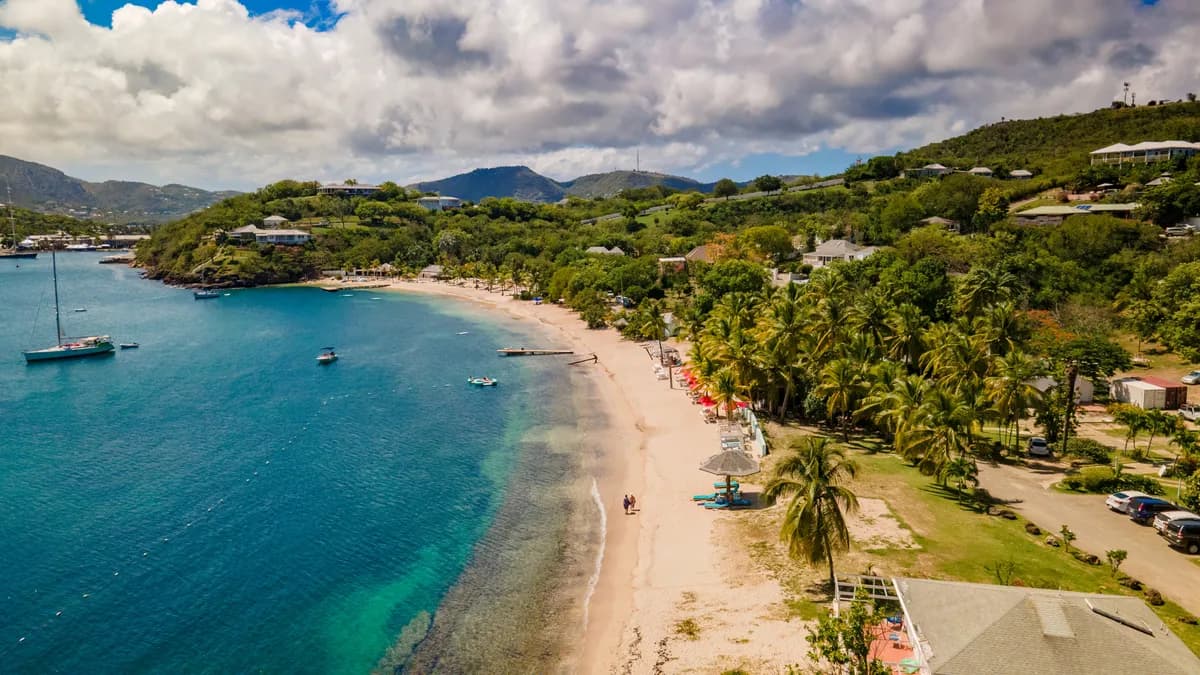
Antigua Travel Guide for First-Timers
Antigua travel guide for first-timers covers V.C. Bird Airport arrival, EC dollars, left-side driving, where to stay, and the best months to visit.
Antigua and Barbuda is a two-island nation in the Eastern Caribbean, roughly 1,300 miles southeast of Miami and a short hop from islands like St. Kitts, Guadeloupe, and St. Martin. The country is small enough to circle by car in an afternoon, yet it packs in 365 beaches, a UNESCO-listed Georgian dockyard, and a sailing culture that draws crews from around the world. This guide walks first-time visitors through the practical decisions: how to arrive, how to move around, what to do with your money, where to base yourself, and what to actually do once you are there.
Where Antigua Is and How to Get There
Everyone arrives through V.C. Bird International Airport (airport code ANU), on the northeast corner of the main island, about 8 km (5 miles) from the capital, St. John's. The smaller sister island, Barbuda, sits about 30 miles north and is reached by a short domestic flight or a ferry.
Direct flights
- From the US: American flies year-round from Miami and New York (JFK), JetBlue from JFK, with seasonal service from Charlotte, Atlanta, and elsewhere in the winter high season.
- From the UK and Europe: British Airways and Virgin Atlantic connect London to Antigua, with a flight time of around 8 to 9 hours.
- From Canada: seasonal service runs mainly out of Toronto in winter.
Most US east-coast flights take roughly 4 hours. Once you land, immigration is straightforward for short visits; check our visa requirements page for your nationality before you book, and read the practical airport guide for arrivals, taxis, and SIM cards.
Getting Around the Island
Antigua drives on the left, a British holdover, with right-hand-drive cars. Roads are generally fine on main routes and rougher on rural lanes, and signage can be thin, so a phone map helps. Our transportation guide covers every option in detail.
Renting a car
A rental car gives you the freedom to chase beaches and reach inland sights like Fig Tree Drive and Betty's Hope on your own schedule. Visitors need a local driving permit, which costs roughly EC$50 (about US$20); rental agencies almost always arrange it for you at pickup, so bring your home license. Drive cautiously on your first day until the left-side habit sets in, and watch for free-roaming goats on country roads.
Taxis and tours
Taxis are unmetered with government-set rates, so agree the fare before you set off and confirm whether the quote is in EC or US dollars. For visitors who would rather not drive, a half-day taxi tour or an island jeep safari covers the headline sights without the wheel. There is no comprehensive public bus network aimed at tourists, though local buses run between St. John's and some villages for very little.
Money, Costs, and Practical Basics
The local currency is the East Caribbean dollar (EC$), pegged at about EC$2.70 to one US dollar. US dollars are widely accepted, but you will often get change in EC, and paying in local currency usually works out slightly better. Cards are accepted at hotels, larger restaurants, and tour operators; carry some cash for beach bars, taxis, and small vendors.
- Language: English is the official language, so there is no barrier for most visitors.
- Tipping: many restaurants add a service charge; if not, 10 to 15 percent is standard.
- Power and plugs: outlets are commonly 110V, US-style, though some hotels also fit 220V, so a universal adapter is wise.
- Safety: Antigua is generally relaxed; use ordinary common sense and check our local tips and emergency contacts before you travel.
Travel insurance is worth arranging given the cost of medical care abroad and the chance of a weather disruption in hurricane season; see our travel insurance guide for what to look for.
Where to Stay by Area
Antigua has no single resort strip. Instead, distinct areas suit different trips, and your choice shapes the whole holiday.
Dickenson Bay and the northwest
Dickenson Bay is the classic first-timer base: a long calm stretch of sand with watersports, beach bars, and easy access to St. John's. Dickenson Bay Beach and nearby Runaway Bay are made for swimming and sunset cocktails.
English Harbour and the south
English Harbour is the historic and sailing heart of the island, home to Nelson's Dockyard and the famous Shirley Heights lookout. It suits visitors who want character, restaurants, and yacht-watching, with beaches like Galleon Beach and Pigeon Point close by.
Jolly Harbour and the west coast
Jolly Harbour and the Five Islands area offer marina life, golf, and a run of excellent west-facing beaches, including Jolly Beach, Valley Church, Ffryes, and Darkwood, all known for calm water and big sunsets.
Long Bay and the east
Long Bay on the Atlantic side is quieter and reef-sheltered, with Long Bay Beach ideal for families and snorkeling straight off the sand.
Barbuda
Barbuda is for travelers chasing emptiness and the famous pink-sand beach. It works as a day trip or an overnight escape; see our Barbuda day trip for how to plan it.
Top Things to Do on a First Visit
You will not run out of options. A strong first-timer mix blends history, water, and one or two splurges.
- History and views: tour Nelson's Dockyard, the UNESCO-listed Georgian naval yard, then catch the Sunday-evening Shirley Heights party for steel drums, barbecue, and a sweeping harbor sunset.
- On the water: a catamaran day cruise or a private sailing charter shows off the coastline; snorkeling, scuba diving, and the popular Stingray City tour get you under the surface.
- Inland adventure: the rainforest zipline and Wallings Nature Reserve add some green to a beach trip, while Devil's Bridge and Fig Tree Drive reward a self-drive day.
- Capital and culture: wander St. John's, see St. John's Cathedral, and browse the Museum of Antigua and Barbuda.
- Eat local: try the national dish fungie and pepperpot, sweet Antigua Black pineapple, and a cold Wadadli beer. Our cuisine overview rounds up what to order.
When to Go
Antigua is warm, sunny, and breezy for most of the year. The peak season runs from mid-December to mid-April, with the most reliable weather and the highest prices. Hurricane season spans June to November, with the greatest risk from August to October; storms are uncommon on any given day but worth planning around. Check our Antigua weather guide for a month-by-month breakdown.
The calendar also shapes the experience. Sailing fans aim for Antigua Sailing Week in late April and early May or the Classic Yacht Regatta just before it. Antigua Carnival lights up late July into early August with music, costumes, and street parties. For the calmest swimming and the best snorkeling visibility, the drier winter and spring months are hard to beat.
Frequently Asked Questions
How many days do you need in Antigua for a first visit?
Five to seven days is a comfortable first trip. That gives you time for a couple of beach days, a catamaran or sailing cruise, the Nelson's Dockyard and Shirley Heights combination, and a self-drive day inland, without rushing. Add two or three more days if you want a Barbuda overnight or a slower, beach-focused pace.
Do I need a car in Antigua, or can I get by without one?
You can manage without a car if you stay at a resort and use taxis and tours, which many first-timers do. A rental gives you far more freedom to reach quieter beaches and inland sights on your own schedule, but remember you drive on the left and need a local permit, which rental agencies arrange. If you are nervous about left-side driving, mix taxis with one or two guided tours instead.
What currency should I bring to Antigua?
The local currency is the East Caribbean dollar, pegged at about EC$2.70 to one US dollar, and US dollars are widely accepted. Cards work at hotels, larger restaurants, and tour operators, but carry cash for taxis, beach bars, and small vendors. Paying in EC dollars often gives slightly better value than paying in US dollars.
Is Antigua safe for tourists?
Antigua is generally a relaxed and safe destination for visitors who use ordinary common sense: secure your valuables, avoid isolated areas late at night, and watch your belongings on the beach. Review our local tips and emergency contacts pages before you travel so you know who to call and what to expect. Most trips pass without any trouble at all.
When is the best time to visit Antigua?
Mid-December to mid-April brings the most reliable sunshine and the liveliest events, including the Classic Yacht Regatta and Sailing Week in spring, but it is also the priciest and busiest period. June to November is hurricane season, cheaper and quieter, with the highest storm risk from August to October. For warm water, calm seas, and good value just outside peak, late April, May, and early December are sweet spots.
Do US and UK visitors need a visa for Antigua?
Citizens of the US, UK, Canada, and the EU typically do not need a visa for short tourist stays, but you must hold a passport valid for the length of your trip and may need proof of onward travel. Entry rules change, so confirm the current requirements for your nationality on our visa requirements page before you book. If in doubt, check your government's official travel advice as well.
St. John's
This guide covers St. John's. Explore more about this destination.
View DestinationAbout the Author
Alex Borshch
Founder and editor of the Isla365 network. Spent six months living in the Dominican Republic over the 2013-14 winter, and has since wintered in Thailand, Vietnam and Turkey. Writes and edits the guides across the network.