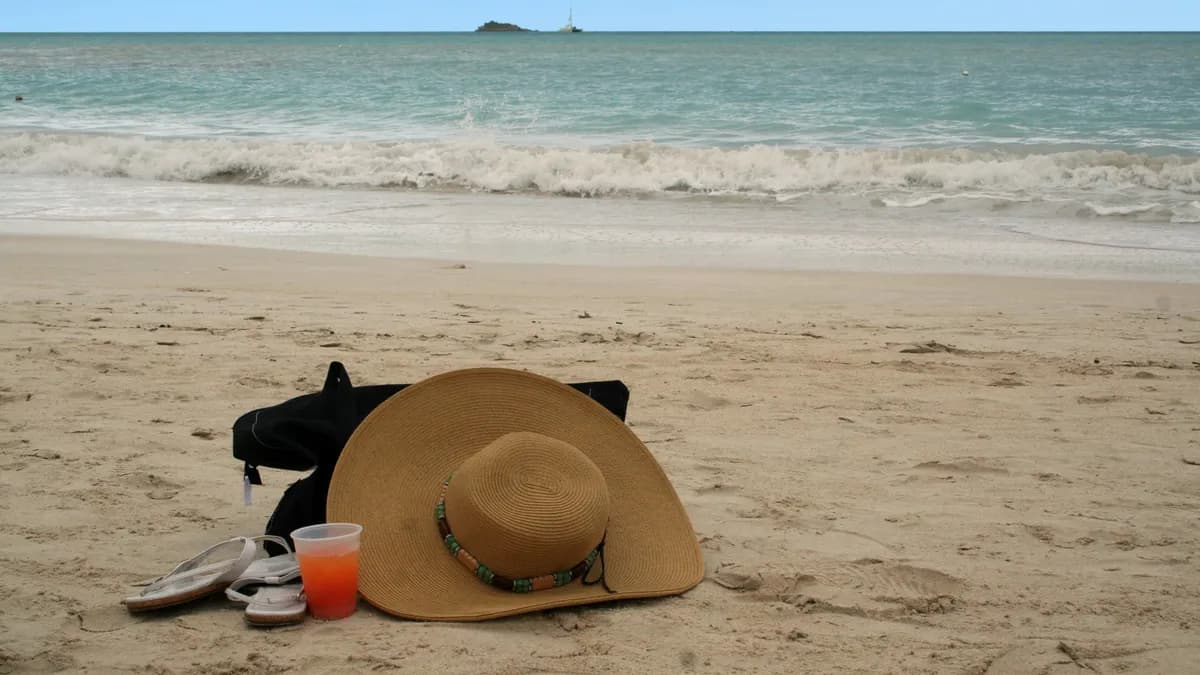
Antigua on a Budget: Costs & Money Tips
Antigua on a budget means EC dollars, public buses, free beaches by law, and cook-shop meals, with price ranges so a trip costs a fraction of resort rates.
Antigua has a reputation as a luxury island, and the resort brochures do nothing to dispel it. Spend a week here without a plan and the bills add up fast: taxi rides priced in US dollars, beach-club loungers, marina restaurants in English Harbour charging yacht-crew prices. But the same island that hosts superyachts also runs a cheap public bus network, serves some of the Caribbean's best food from roadside cook-shops, and gives away its single greatest asset for free: all 365 beaches are public by law. This guide breaks down what things actually cost, where the savings hide, and how to enjoy Antigua without a six-figure charter budget.
One note before the numbers: Antigua uses the East Caribbean dollar (EC$), pegged at roughly EC$2.70 to US$1. US dollars are accepted almost everywhere, but you will often get a worse rate and your change in EC$. Paying in local currency is usually the cheaper move. All figures below are ranges, not fixed prices, so treat them as planning guides and confirm before you commit.
How Much Does Antigua Actually Cost?
Your daily spend depends almost entirely on three choices: how you sleep, how you move, and where you eat. A budget traveler who uses local buses, stays in a guesthouse or apartment, and eats where Antiguans eat can run a fraction of what a resort guest spends without giving up beaches, views, or good food.
Rough daily budget tiers (per person, excluding flights and hotel)
- Shoestring: public buses, cook-shop meals, free beaches and hikes, the occasional bottle of Wadadli beer. Doable on a modest daily budget if you self-cater part of the time.
- Mid-range: a mix of buses and a few taxis, casual sit-down lunches, one paid activity like a snorkeling trip, a sunset drink out.
- Comfortable: mostly taxis or a rental car, restaurant dinners, a catamaran day cruise or two, beach-club extras.
The biggest single variable is the high season. Antigua's peak runs roughly mid-December to mid-April, when accommodation and tours cost the most. The shoulder and low seasons (especially May to early December, outside major events) can cut lodging prices substantially. For the full seasonal picture, see our Antigua weather guide, and remember hurricane season runs June to November, which is when many deals appear.
Getting Around Cheaply
Transport is where budget travelers win or lose. A taxi from the airport to English Harbour can cost more than a whole day of bus travel, so understanding your options matters.
Public buses: the cheapest way to move
Antigua's minibuses (privately run vans, usually marked with a "BUS" registration plate) cover most of the populated island for a few EC dollars per ride, typically in the EC$2.50 to EC$5.50 range depending on distance. There is no printed timetable: buses leave when they fill up, mostly during daylight hours, and they thin out in the late afternoon and barely run on Sundays. Two main terminals in St. John's anchor the network: the West Bus Station (off Market Street) serves the south and southwest, including the route toward English Harbour and Nelson's Dockyard, while the East Bus Station serves the east and northeast.
- Carry small EC$ notes and coins; drivers rarely break large bills.
- Tell the driver or conductor where you are going so they can flag your stop.
- Buses run point-to-point along main roads, not to individual hotels, so expect a short walk at each end.
- For beaches off the main routes, buses get you close and you finish on foot or with a short shared taxi hop.
Full route and terminal details are in our getting around Antigua guide.
Taxis and shared rides
Taxis in Antigua are unmetered and priced by government-set zone rates, usually quoted in US dollars. They are convenient but the single fastest way to drain a budget. Always agree the fare before you get in, and ask whether the quote is per person or per car. To make taxis affordable, share them: split a fare with other travelers heading the same way, or ask your guesthouse to pair you with others going to the same beach or to the Shirley Heights Sunday party. On Sundays, when buses barely run, a shared taxi is often the only practical way to reach English Harbour and Shirley Heights.
Renting a car or scooter
If two or more of you are traveling together and want to beach-hop freely, a rental car can work out cheaper per person than repeated taxis, especially across a full week. Budget for a local temporary driving permit (a flat fee added on top of the rental) plus fuel. Remember Antigua drives on the left, roads are narrow and unlit at night, and signage is sparse. Our transportation guide and local tips page cover the permit and road conditions in detail.
Free and Almost-Free Things to Do
Antigua's best experiences are often the cheapest. The island's geography does the heavy lifting, and you mostly just need bus fare and good walking shoes.
Every beach is free
By Antiguan law all beaches are public to the high-water mark, so you never pay to set foot on sand. You only pay if you rent a lounger or buy food at a beach bar, and both are optional. Bring a towel and a cooler and the beach itself costs nothing. Among the easiest to reach on a budget:
- Dickenson Bay in the northwest, lively and bus-reachable via the Dickenson Bay area.
- Fort James Beach and Runaway Bay, both a short hop from St. John's and popular with locals on weekends.
- Ffryes Beach, Darkwood Beach, and Valley Church along the southwest coast, strung close together so you can walk between several in a day.
- Turner's Beach, with cheap rum-shack lunches steps from the sand.
- Half Moon Bay on the wilder Atlantic east coast, a protected stretch worth the longer trip.
Our roundup in the Five Islands area and the southwest coast makes a natural free beach-hopping day if you have a rental car.
Viewpoints and walks that cost nothing or next to nothing
- Shirley Heights: the famous hilltop lookout over English Harbour. The Sunday-evening BBQ-and-steel-band party has a modest entry fee (around EC$25 / US$10), but the view itself on any other day is one of the best in the Caribbean for the price of getting there.
- Fig Tree Drive: a free scenic drive through the island's greenest hills, dotted with fruit stalls where you can buy a fresh Antigua black pineapple for pocket change.
- Devil's Bridge: a dramatic natural limestone arch and blowhole on the Atlantic coast, free to visit.
- Fort Barrington and Fort James: ruined colonial forts with harbor views, free to explore and reachable on foot from St. John's-area beaches.
- Wallings Nature Reserve: Antigua's oldest forest reserve, with budget-friendly hiking trails to ridgeline views.
Low-cost paid attractions
A handful of paid sites are well worth the modest fee. Nelson's Dockyard, the restored Georgian naval base and UNESCO World Heritage Site, sits inside Nelson's Dockyard National Park, where a single park ticket (in the region of US$15) also covers Shirley Heights and the Dow's Hill interpretation center, so you get several sites on one pass. The small Museum of Antigua and Barbuda in St. John's and the sugar-estate ruins at Betty's Hope are inexpensive history stops, and St. John's Cathedral is free to enter.
Eating Well for Less
You do not need a marina restaurant to eat brilliantly in Antigua. The cheapest food is often the most authentic.
Cook-shops and roadside stalls
Local cook-shops, the small, often family-run kitchens serving plates of stewed or fried food, are the backbone of budget eating. A generous plate of chicken, fish, or saltfish with rice and provisions typically costs a fraction of a restaurant main. Look for them around St. John's market, near bus stations, and along main roads. Try the national dish, fungie and pepperpot, alongside Antiguan saltfish and ducana (sweet potato dumpling). Weekend BBQ stands selling jerk chicken and ribs are another cheap, filling option.
Markets and self-catering
If your room has a kitchenette, the St. John's public market and supermarkets let you cook for a fraction of restaurant prices. Local produce, bread, and fresh fish from landing sites are the best value. Pick up a black pineapple, the famously sweet local variety, plus mangoes and other fruit in season.
Cheap drinks
- Wadadli, the local lager, costs noticeably less than imported brands at rum shops and supermarkets.
- English Harbour and Cavalier rum are distilled on-island and cheap to buy by the bottle for your own rum punch.
- Mauby and other local non-alcoholic drinks are sold cheaply from coolers and shops.
For a deeper dive into what to order, see our full Antigua cuisine guide.
Money, Cards, and Tipping
Cash and currency
- Pay in EC$ where you can. Vendors who quote in US dollars often use a rounded, unfavorable rate. Local currency usually costs you less.
- Use ATMs for EC$. Bank ATMs in St. John's and the airport dispense East Caribbean dollars, generally at a better rate than airport exchange counters. Withdraw in reasonable lumps to limit per-transaction fees.
- Carry small notes. Buses, cook-shops, and market stalls deal in small change and may not break large bills.
- Cards work at resorts and bigger restaurants but not at most cook-shops, buses, or small shops. Keep cash for the budget side of the trip.
Tipping in Antigua
- Restaurants: many add a service charge (often around 10 percent) to the bill. Check before adding more; if it is already included, an extra tip is optional for good service.
- Taxis: rounding up or adding a little for help with luggage is customary, not mandatory.
- Tour guides and boat crew: a small per-person tip is appreciated on day trips like a catamaran cruise or Stingray City tour.
- Cook-shops and rum shops: tipping is not expected.
Timing the trip to save
The clearest way to cut costs is to travel outside the mid-December to mid-April peak. Shoulder months bring lower room rates and quieter beaches, while the summer and autumn low season (which overlaps hurricane season) offers the deepest discounts in exchange for a higher rain and storm risk. If you visit during a flagship event like Antigua Sailing Week or Carnival, book accommodation early, because prices climb and rooms sell out. Before you book, check our practical pages on visa requirements and travel insurance, and save the emergency contacts page just in case.
Frequently Asked Questions
Is Antigua expensive to visit?
Antigua can be expensive if you stay at resorts, eat at marina restaurants, and rely on taxis, but it does not have to be. Travelers who use the public buses, eat at cook-shops, and stick to free beaches and viewpoints can keep daily costs low. The island's biggest free asset is that all 365 beaches are public, so the most popular activity here costs nothing.
What is the cheapest way to get around Antigua?
Public minibuses are by far the cheapest option, usually a few EC dollars per ride. They run mainly in daylight from the two bus stations in St. John's and serve most populated areas, though service is thin on Sundays. For places off the main routes or for Sunday travel, share a taxi with other travelers to split the fare. See our transportation guide for routes and terminals.
Should I pay in US dollars or East Caribbean dollars?
Pay in East Caribbean dollars (EC$) when you can. US dollars are widely accepted, but vendors often apply a rounded, unfavorable exchange rate, so you usually get better value paying in local currency. ATMs in St. John's dispense EC$ at a fair rate, and small EC$ notes are essential for buses and cook-shops.
What are the best free things to do in Antigua?
Beach-hopping is the obvious one, since every beach is free; the southwest coast strings several together within walking distance. Beyond beaches, the daytime view from Shirley Heights, the scenic Fig Tree Drive, Devil's Bridge, and the ruined forts above St. John's all cost nothing or close to it.
How much should I tip in Antigua?
Many restaurants already add a service charge of around 10 percent, so check the bill before tipping again. For taxis, rounding up is customary. On day tours and boat trips a small per-person tip for the crew is appreciated. Cook-shops, rum shops, and buses do not expect tips.
When is the cheapest time to visit Antigua?
The cheapest period is the low season, roughly May to early December, which overlaps the June-to-November hurricane season. You trade a higher chance of rain and storms for the lowest accommodation prices. The shoulder months on either side of peak season offer a middle ground of fair weather and softer rates. The most expensive window is mid-December to mid-April. Check our weather guide for the seasonal trade-offs.
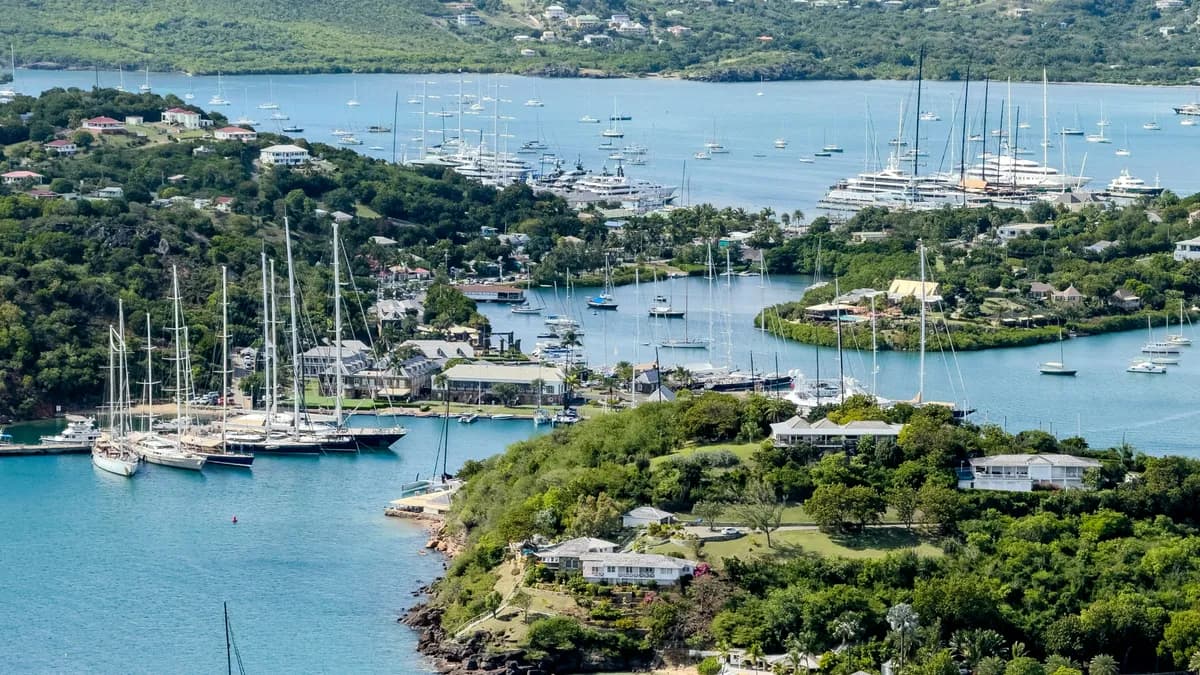
English Harbour & Falmouth
This guide covers English Harbour & Falmouth. Explore more about this destination.
View DestinationAbout the Author
Alex Borshch
Founder and editor of the Isla365 network. Spent six months living in the Dominican Republic over the 2013-14 winter, and has since wintered in Thailand, Vietnam and Turkey. Writes and edits the guides across the network.